Understanding Convector Heaters
If you're searching for an effective way to heat individual rooms without the complexity of a central heating system, an electric convector heater might be just what you need. These devices utilize the principle of natural convection to warm spaces efficiently and quietly. This guide provides essential information for anyone considering a convector heater, covering everything from how they operate to safety precautions and energy efficiency.
What is a Convector Heater?
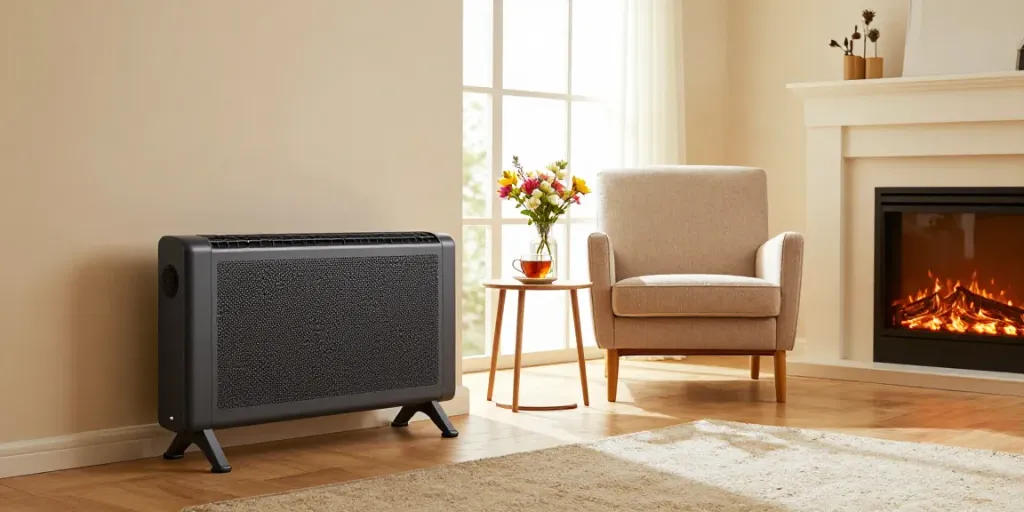
A convector heater is an electric heating device designed to warm the air in a room through the natural process of convection. Unlike other forms of heating that may use fans or forced air systems, convector heaters rely on the inherent properties of warm air, which rises as it heats up. This method creates a gentle air circulation that is efficient and comfortable.
How Does a Convector Heater Work?
Inside a convector heater, cold air enters through vents at the bottom and passes over a heating element, typically made of aluminum fins. As the air is warmed, it expands and rises. This cycle allows for a continuous flow of warm air, effectively distributing heat across the room. Many modern units feature built-in thermostats to maintain the desired temperature, automatically cycling the heating element on and off according to the room's heating needs.
Advantages of Using Convector Heaters
- Energy Efficiency: Convector heaters typically operate at nearly 100% efficiency at the point of use, converting electrical energy almost entirely into heat.
- Quiet Operation: They provide silent operation since they rely on natural airflow rather than mechanical fans.
- Quick Warm-Up: These heaters can quickly elevate the temperature in a space, making them ideal for homes or offices that need on-demand heating.
- Space-Saving Design: Many models are designed to be wall-mounted or portable, allowing for versatile placement in any room.
Choosing the Right Type
When selecting a convector heater, it’s crucial to understand the differences between wall-mounted and freestanding models, as well as other key considerations that can influence your choice.
Wall-Mounted vs. Freestanding Convector Heaters
Wall-mounted convector heaters offer a permanent heating solution, making them a great choice for spaces that require consistent heating, such as bedrooms or living rooms. They free up floor space, which can be beneficial in smaller rooms. On the other hand, freestanding models provide flexibility and portability, allowing you to move the heater to different rooms as needed, which is particularly useful if you live in a rental space.
Factors to Consider When Choosing
- Heating Capacity: Consider the size of the room you intend to heat. Heaters are rated in watts, and selecting the appropriate wattage is essential to ensure effective heating.
- Control Options: Look for features such as programmable timers, digital thermostats, and smart home connectivity for more control over heating patterns and costs.
- Energy Efficiency: Check for energy labels and ratings that indicate the heater's efficiency to help lower your electricity bills.
Common Misconceptions About Convector Heaters
Many people believe that higher wattage always translates to better heating. However, the effectiveness of a convector heater depends not just on its wattage but also on the room's insulation and heating requirements. Additionally, some consumers may think that convector heaters are ineffective for large spaces; in fact, they can be quite effective when used as part of a zonal heating strategy.
Energy Efficiency and Cost
Understanding the operating costs of a convector heater is essential for managing your energy expenses and ensuring the heater fits your budget.
How Much Electricity Does a Convector Heater Use?
The electricity consumption of a convector heater is calculated using the formula: Electricity used (kWh) = Heater power (kW) × Running time (hours). For instance, a 2,000W heater used for three hours will consume 6 kWh. Actual consumption may be lower, as modern units utilize thermostats to optimize operation, turning off the heating element when the desired temperature is reached.
Comparing Running Costs of Different Heaters
To determine the most economical option, it’s vital to compare running costs across different heating solutions. Convector heaters often have lower operational costs than fan heaters, particularly when used in a well-insulated environment where they can quickly bring spaces to temperature without excessive energy use.
Understanding Energy Labels and Ratings
Energy labels provide essential information about a heater's efficiency and performance. When shopping for a convector heater, look for models that meet or exceed energy efficiency standards, as these will save you money in the long run and reduce your carbon footprint.
Installation and Safety Guidelines
Proper installation and adherence to safety guidelines are crucial for the effective operation of your convector heater.
Proper Installation Tips for Safety
Ensure that your convector heater is installed according to the manufacturer's guidelines. This includes maintaining proper clearances from walls and furniture to allow for adequate airflow. If you're wall-mounting a unit, use heavy-duty brackets provided by the manufacturer to prevent accidents.
Common Placement Mistakes to Avoid
- Placing the heater behind furniture or near drapes, which can obstruct airflow and create fire hazards.
- Ignoring the recommended clearances, which can lead to overheating and affect the heater’s performance.
- Failing to consider where the cold air enters the room, which can diminish the heater's efficiency.
Safety Features to Look For in a Convector Heater
Modern convector heaters often come equipped with important safety features such as overheat protection, which automatically shuts off the heater if it exceeds a safe temperature. Additionally, some models offer tip-over protection, making them safer for use in homes with children or pets.
Future Trends in Home Heating
As we approach 2026, several trends are emerging in the home heating industry that are worth noting for potential buyers of convector heaters.
Innovative Features to Expect in 2026
Future convector heaters are likely to incorporate more advanced technology, such as improved smart home integration, allowing users to control their heating remotely via smartphone apps or voice commands. Enhanced energy management systems are also expected to optimize performance and reduce electricity consumption further.
Sustainability and Eco-Friendly Heating Solutions
As sustainability becomes increasingly important, manufacturers are likely to focus on developing convector heaters that utilize less energy while maintaining effective heating capabilities. Look for models that are compliant with eco-friendly standards to minimize your environmental impact.
Smart Home Integration for Convector Heaters
As part of the smart home revolution, expect to see convector heaters equipped with features such as app controls, integration with existing smart home ecosystems, and personalized heating schedules based on user behavior to enhance comfort and energy efficiency.
Does a convector heater use a lot of electricity?
While the power consumption of a convector heater can vary based on its wattage and usage duration, they are generally efficient if used appropriately. With modern thermostats, you can minimize energy consumption while maintaining a comfortable environment.
What are the disadvantages of a convector heater?
Some disadvantages of convector heaters include their reliance on existing electrical systems, which may not be suitable in all situations. Additionally, they may not be the most effective solution for poorly insulated homes because they can struggle to maintain temperature during cold weather.
Which is better, a fan or a convector heater?
While fan heaters provide more immediate warmth by circulating hot air, convector heaters offer more consistent and quieter heating over time. Depending on your needs—quick heat versus steady warmth—each has its advantages.