Understanding Why Your Garage Door Is Not Closing
A garage door that refuses to close can be a frustrating and potentially unsafe situation. Various issues could be at play, ranging from simple obstructions to complex mechanical failures. Understanding the reasons behind this common issue is crucial for homeowners to ensure their safety and the security of their vehicles. In this guide, we will explore the primary causes of a garage door not closing, provide actionable solutions, and highlight when it’s essential to contact a professional service like garage door not closing.
Common Causes of Garage Door Malfunctions
- Faulty Sensors: Garage door safety sensors prevent the door from closing if they detect an obstruction. Misalignment or failure of these sensors can lead to an unresponsive door.
- Track Obstructions: Debris or obstacles within the door tracks can inhibit movement, causing the door to halt unexpectedly.
- Worn Out Springs: Garage door springs bear the weight of the door. If they are damaged or worn, the door may struggle to close properly.
- Opener Malfunctions: Issues with the garage door opener, such as electrical failures or stripped gears, may prevent the door from functioning.
- Limit Setting Issues: The travel limits for how far the door can open or close may need adjusting, especially if the door consistently stops before it is fully closed.
Signs Indicating Sensor Issues
When your garage door won’t close, one of the most common culprits is the safety sensor. These sensors are designed to detect objects in the path of the door, and if they are malfunctioning or misaligned, they will signal the door to stop. Signs of sensor issues include:
- Flashing Lights: If the lights on your garage door opener flash, this typically means the sensors are not aligned.
- Door Stops Mid-Cycle: A door that stops while closing may indicate that the sensors are detecting an obstruction when none exists.
- Physical Displacement: Inspect the sensors to ensure they are aligned properly and free of dirt or debris.
How Track Obstructions Affect Door Functionality
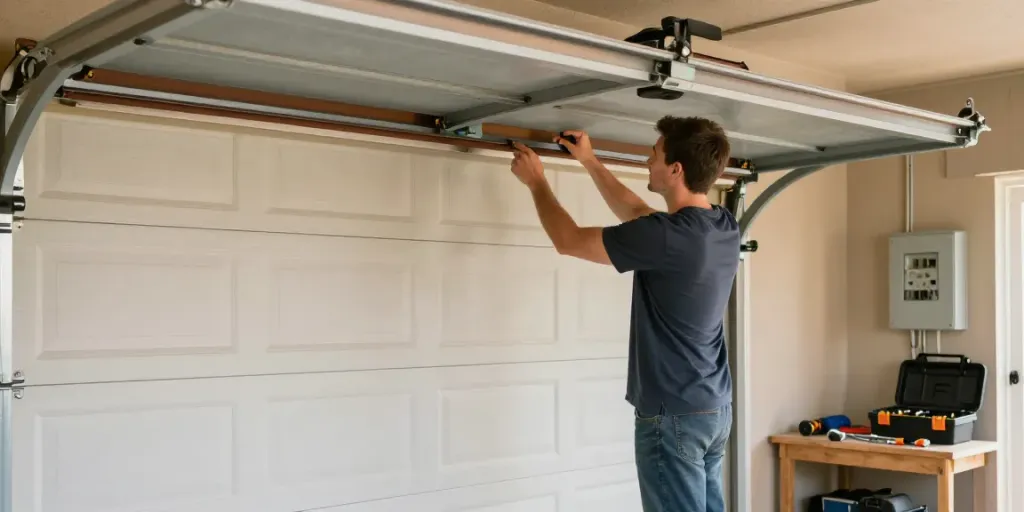
Obstructions in the garage door tracks can prevent the door from closing fully. Common issues include dirt buildup, misaligned tracks, or foreign objects lodged in the path. Regular maintenance can help prevent these problems. Be sure to:
- Inspect tracks regularly and clean any visible debris.
- Ensure that the tracks are aligned and securely fastened to the garage walls.
- Lubricate the tracks to allow smooth operation.
Pitfalls to Avoid When Troubleshooting Garage Doors
While some garage door issues can be resolved with simple troubleshooting, there are common pitfalls that homeowners should avoid to prevent further damage or safety risks.
Mistakes That Can Lead to Further Damage
- Forcing the Door: Trying to manually force the door down can lead to significant damage to the opener or tracks.
- Ignoring Warning Signs: Delaying repairs could lead to more extensive problems, increasing repair costs.
- DIY Repairs without Knowledge: Attempting repairs without understanding the mechanism can result in injury or property damage.
Common Misconceptions About Garage Door Repairs
Understanding the truth behind common misconceptions can save time and effort when dealing with a malfunctioning garage door. Here are a few:
- All Issues Require Replacement: Many problems can be fixed with minor repairs rather than a full door replacement.
- Only Professionals Can Fix Garage Doors: Homeowners with the right knowledge can handle basic issues; however, complicated repairs should always be left to the professionals.
Safety Hazards Related to Improper Fixes
Garage doors are heavy and can pose serious safety risks if not handled properly. Some potential hazards include:
- Injuries from falling doors due to improper spring tension adjustments.
- Electrical hazards if wiring is improperly handled.
- Crushing injuries from a malfunctioning door.
Step-by-Step Guide to Fixing a Garage Door Not Closing
Before calling a professional, there are several steps homeowners can take to troubleshoot and often resolve the issue with their garage door. Follow these steps carefully to address the problem effectively:
Assessing and Adjusting the Sensors
Begin by inspecting the safety sensors located at the bottom of the garage door tracks:
- Ensure they are clean and free of obstructions.
- Check that they are aligned properly; the lights on both sensors should show a steady green light.
- If misaligned, gently adjust the sensors until they are facing each other directly.
Checking and Realigning Garage Door Tracks
If the sensors are functioning correctly but the door still won’t close, inspect the tracks:
- Look for any signs of obstruction and remove any debris.
- Check for bends or misalignments; these can typically be remedied with a rubber mallet.
- Lubricate the tracks with a silicone-based lubricant to ensure smooth operation.
Identifying Problems with the Garage Door Opener
If the door is still not functioning correctly after checking the tracks and sensors, the issue may lie with the garage door opener:
- Test the opener by pressing the button. If it makes noise but the door doesn’t move, it could be a stripped gear.
- If the opener is unresponsive, check the power supply and ensure the motor is functioning.
- Consult the opener’s instruction manual for troubleshooting specific issues.
When to Seek Professional Help for Garage Door Issues
While many garage door issues can be addressed by the homeowner, some situations require professional intervention. Knowing when to make that call is essential for safety and proper functioning.
Evaluating Repair Options Based on Severity
Consider the severity of the issue. If the door is stuck in an open position, it poses a security risk. In such cases, contact a professional immediately. Other indicators that professional help is needed include:
- Multiple attempts to fix the issue have failed.
- There are visible cracks or damages to the door itself.
- You feel uncomfortable performing repairs on your own.
Understanding Emergency Garage Door Repairs
Emergency garage door services are available when immediate action is required. Scenarios that may necessitate emergency repairs include:
- A door that is stuck open, posing a security threat.
- Inability to close the door due to broken components.
- Electrical malfunctions that prevent normal operation.
Choosing the Right Service Provider in Perth
Opt for a reputable garage door repair service that offers fast and efficient service. Consider the following when selecting a provider:
- Check online reviews and customer testimonials.
- Ensure they offer same-day service and have qualified technicians.
- Confirm that they have relevant insurance and warranties on their services.
Future Trends in Garage Door Technology and Repairs
The garage door industry is evolving, with new technologies and trends that enhance functionality and safety. Staying informed about these changes can be beneficial.
Smart Garage Systems and Their Impact
Smart garage door systems offer homeowners enhanced control and security. Features may include:
- Remote access via smartphones, allowing you to monitor and control your garage door from anywhere.
- Integration with home security systems for increased safety.
- Automated alerts for potential issues, like a door left open.
Emerging Repair Technologies for 2026
Future technologies in garage door repairs may include:
- 3D printing for quick replacement parts, reducing repair times.
- Remote diagnostics for quicker assessments of problems.
- Advanced sensors that provide real-time data on garage door health.
Best Practices for Maintaining Your Garage Door
To prolong the life of your garage door and prevent malfunctions:
- Regularly inspect and clean your garage door tracks and components.
- Lubricate moving parts at least twice a year.
- Test safety features periodically to ensure they function properly.