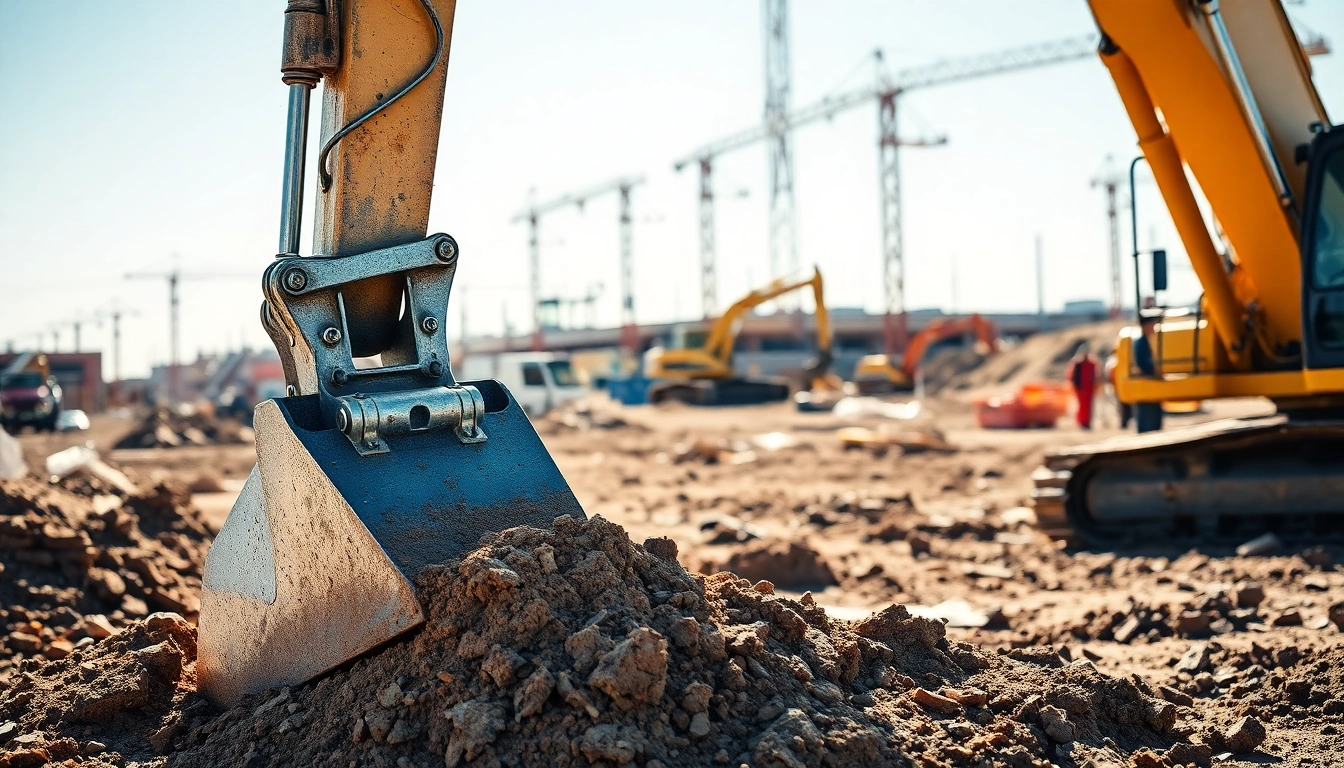
1. Understanding the Excavator: Features and Functions
Excavators are vital pieces of machinery in the construction and excavation industry, renowned for their versatility, strength, and efficiency. These heavy construction equipment operate by employing various components designed to perform a multitude of tasks such as digging, material handling, and demolition. Their design typically includes a boom, dipper, bucket, and a rotating platform known as the cab. Understanding the intricacies of an excavator can significantly enhance project effectiveness and outcome. Those considering the purchase or rental of an excavator should familiarize themselves with the functionalities outlined below.
1.1 The Basic Components of an Excavator
At its core, an excavator consists of several key components:
- Boom: The long arm that extends from the excavator's body and is pivotal for reaching and maneuvering.
- Dipper (or Stick): Attached to the boom, this arm can articulate and further extend the reach for increased digging capability.
- Bucket: The actual digging tool, designed to scoop and carry materials. Buckets come in various shapes and sizes for different applications.
- Cab: The operator’s compartment, designed for comfort and control. It features various controls for movement and operation of attachments.
- Tracks/Wheels: These provide mobility, allowing the excavator to navigate a variety of terrains effectively.
Understanding these components helps potential buyers or renters make informed decisions based on their specific needs, ensuring they select the right type of excavator for their projects.
1.2 Different Types of Excavators
Excavators are classified into several types, each tailored for specific tasks:
- Crawler Excavators: These feature a tracked design, providing superior stability and weight distribution, ideal for rough terrain.
- Wheeled Excavators: Equipped with wheels, they offer higher speed over flat surfaces and are suitable for urban environments.
- Compact (Mini) Excavators: Smaller in size, these are perfect for projects in tight spaces, known for their versatility and ease of transport.
- Long Reach Excavators: With extended booms, these excavators are designed for deep digging projects, such as dredging.
- Hydraulic Excavators: These utilize hydraulic power, providing enhanced lifting and digging capabilities.
Each type has unique functionalities that cater to varying project requirements, making it crucial to understand the best option for different tasks.
1.3 How Excavators Are Used in Construction
The versatility of excavators lends them to a broad array of construction applications, including:
- Digging Foundations: Excavators are essential for excavating deep, precise holes for building foundations.
- Trenching: Ideal for installing utilities such as drainage lines, sewer lines, gas pipelines, and electrical conduits.
- Material Handling: Excavators can bridge the gap between materials and transport vehicles, efficiently moving heavy loads.
- Demolition: When fitted with appropriate attachments, excavators can bring down structures safely from a distance.
- Landscaping: Used for leveling land, creating ponds, and executing various outdoor designs.
Understanding the applications of excavators ensures that projects are executed more efficiently and safely.
2. Key Considerations When Selecting an Excavator
Choosing the right excavator for your project involves careful consideration of various factors that can impact performance and costs. This section delves into assessments that need to be made prior to selecting an excavator.
2.1 Assessing Your Project Requirements
Before selecting an excavator, it's crucial to assess the specific requirements of your project, including:
- Type of Work: Identify whether the work involves digging, trenching, demolition, or handling materials to determine the excavator type required.
- Site Conditions: Consider geographical features, such as whether the terrain is flat, uphill, or consists of difficult soils that may require specialized equipment.
- Access: Evaluate the site’s accessibility for transporting and maneuvering the excavator, particularly if space is limited.
Taking the time to evaluate these needs will lead to more efficient project execution and optimal machinery use.
2.2 Evaluating Size and Capacity Needs
The size and capacity of the excavator greatly influence its performance. Consider these factors:
- Weight Class: Excavators come in various weight classes. Heavier models provide more digging power but may be impractical for smaller sites.
- Bucket Capacity: Evaluate how much material the bucket can hold at once, which affects the machine’s efficiency and cycle time.
- Reach and Depth: A machine with a longer reach can dig deeper without repositioning, which can save time on larger projects.
Understanding capacity needs ensures that the chosen excavator will effectively meet the demands of the project.
2.3 Importance of Fuel Efficiency and Running Costs
Cost is a critical factor when choosing an excavator. Fuel efficiency and maintenance contribute significantly to running costs:
- Fuel Efficiency: Newer models typically boast better fuel efficiency, reducing overall project expenses.
- Maintenance Costs: Consider the ease of access to components for maintenance and repair, as well as the potential for downtime.
- Operational Costs: Factor in costs associated with operators and training, which can heavily influence overall budgeting.
Evaluating these details will lead to a more cost-effective selection that aligns with your financial constraints.
3. Comparing Brands and Models of Excavators
When exploring various brands and models, specific features and attributes can significantly influence your choice of excavator. This section will provide insights into the essential elements to consider for a well-informed decision.
3.1 Leading Features You Should Look For
As you compare different excavators, consider the following key features:
- Hydraulic Power: Evaluate the hydraulic system's performance, as it is crucial for lifting loads and digging efficiently.
- Operator Comfort: Modern excavators should feature ergonomic controls, adjustable seating, and climate control for enhanced operator comfort and productivity.
- Attachment Options: Consider the range of available attachments that can enhance versatility for diverse tasks, such as grapples, hammers, and augers.
Careful scrutiny of these features will aid in selecting an excavator that aligns closely with the operational demands of your projects.
3.2 Price Points and Budgeting for Excavators
The cost of excavators can vary widely based on brand, model, and added features. When budgeting, keep in mind the following:
- New vs. Used: Setting a budget should consider whether to buy new or used machinery, each presenting different cost implications.
- Financing Options: Explore financing options available through dealers which can ease initial capital expenditures.
- Resale Value: Investigate the resale value of the excavator in future scenarios, as some models retain value better than others.
Establishing a clear budget that considers initial investment and long-term costs is essential to ensure financial viability.
3.3 Understanding Warranty and Maintenance Options
Before deciding, understand the warranty and maintenance services provided for your chosen excavator:
- Warranty Coverage: Compare warranty policies, noting the coverage of different components, maintenance schedules, and service inclusions.
- Service Availability: Ensure that parts and repair services are readily available in your area, minimizing downtime during operations.
- Customer Support: Investigate the manufacturer’s customer support reputation to gauge response times and reliability in case issues arise.
Choosing an excavator with strong warranty and maintenance options can significantly enhance long-term reliability and performance.
4. Renting vs. Buying an Excavator
A significant dilemma arises when deciding whether to rent or purchase an excavator. Each option comes with its own set of advantages and challenges that merit careful consideration.
4.1 Pros and Cons of Renting an Excavator
Renting an excavator can offer several benefits, but it is essential to weigh these against potential drawbacks:
- Lower Upfront Costs: Renting requires minimal initial investment, allowing for budget flexibility.
- Variety: Access the latest models or specialized equipment tailored to specific projects without long-term commitments.
- Maintenance Covered: Most rental companies handle maintenance, which can reduce operational headaches.
- Long-Term Costs: Frequent rentals can quickly add up and might exceed the price of ownership over time.
- Availability: The desired model may not always be in stock, causing project delays.
Evaluating these factors will help in making a decision that meets project needs and budget constraints.
4.2 When to Consider Buying an Excavator
Ownership of an excavator becomes attractive under certain conditions:
- Long-Term Projects: If you have consistent, ongoing excavation work, owning equipment could lead to substantial savings.
- Specific Requirements: When projects demand specific capabilities repeatedly, owning provides the assurance that the right tools are always on hand.
- Cost-Effectiveness: In environments where rental costs mount, ownership can prove economically beneficial in the long run.
- Customization Opportunities: Owning allows you to customize your excavator with attachments suited for recurring tasks.
Recognizing instances where ownership is beneficial can enhance operational efficiency and overall profitability.
4.3 Long-Term Investment: Managing Costs Effectively
If you opt to buy, managing costs effectively becomes crucial. Here are key strategies:
- Regular Maintenance: Upholding a rigorous maintenance schedule prolongs equipment life and enhances performance.
- Operator Training: Training operators in efficient use can reduce wear and tear and minimize operational costs.
- Lifecycle Assessments: Analyze usage patterns to determine when upgrades may enhance performance or replace outdated models.
Effective management of these aspects ensures a solid return on investment and operational efficiency.
5. Frequently Asked Questions About Excavators
5.1 What types of excavators are available?
Excavators vary widely, including crawler, wheeled, compact (mini), long reach, and hydraulic excavators, each serving different functions.
5.2 How much does an excavator cost?
Prices can range from $80,000 for mini models to over $500,000 for larger, full-size excavators. Used options might be considerably cheaper.
5.3 What should I consider when operating an excavator?
Ensure adherence to safety protocols, understand machine controls, perform pre-operation checks, and stay vigilant of surroundings.
5.4 Are excavators eco-friendly?
Modern excavators are designed with improved fuel efficiency and reduced emissions, and many feature eco-friendly operation modes.
5.5 How do I maintain my excavator?
Regularly check fluid levels, inspect hydraulic components, clean filters, perform lubrication, and schedule professional servicing to ensure optimal function.
Contact Information
Call Us: 4062607988Address: 3906 MT-40, Columbia Falls, MT 59912