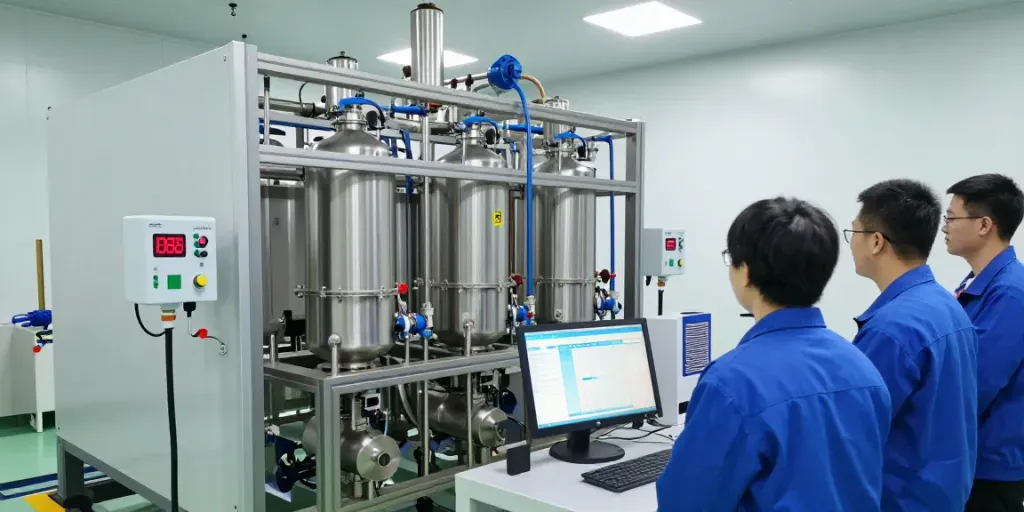
Understanding Integrated Modular Systems
Integrated modular systems are transformative frameworks that combine various functional modules into a cohesive structure. These solutions are increasingly favored across multiple industries due to their adaptability and efficiency. In the realm of water treatment, for example, organizations are seeking ways to enhance operational efficiency while minimizing their environmental footprint. When exploring options, Integrated Modular Systems offer comprehensive insights, ensuring tailored solutions for specific challenges.
What Are Integrated Modular Systems?
Integrated modular systems consist of pre-designed modules that are combined to create a fully functional system. This approach allows for flexibility in design and can significantly reduce the time traditionally required for construction and installation. By leveraging off-site manufacturing capabilities, these systems facilitate quicker assembly and deployment, all while maintaining high standards of quality control. For the water treatment sector, integrated modular systems can encompass a range of functionalities, from chemical dosing and sludge dewatering to advanced membrane filtration processes.
Key Benefits for Water Treatment Facilities
The adoption of integrated modular systems in water treatment facilities presents numerous advantages, including:
- Cost-Effectiveness: Due to reduced construction timelines and labor costs, facilities can observe significant savings.
- Scalability: Modular systems can be easily expanded or contracted based on operational needs, allowing for efficient resource management.
- Reduced Footprint: These systems often require less space than traditional setups, making them suitable for urban environments where land is at a premium.
- Enhanced Performance: With advanced technology integration, these systems can optimize chemical dosing and filtration, resulting in improved water quality.
- Sustainability: Many modular systems are designed with energy efficiency in mind, helping organizations meet regulatory standards while minimizing environmental impact.
Common Misconceptions About Modular Systems
Despite the benefits, several misconceptions about integrated modular systems persist. Many people believe that modular solutions compromise on quality, but advancements in manufacturing technologies have proven otherwise. Furthermore, some stakeholders assume that modular systems are only suitable for specific applications, neglecting their versatility across various water treatment processes.
Core Components of QILEE's Integrated Modular Systems
QILEE Group's integrated modular systems are tailored to meet various water-related challenges through innovative design and engineering. Central to these offerings are several core components that enhance water treatment efficiency and effectiveness.
Overview of DAF Integrated Treatment Systems
The Dissolved Air Flotation (DAF) integrated treatment system is a cutting-edge solution designed to remove suspended solids and floc density from wastewater. By integrating chemical dosing and a sludge dewatering system, QILEE's DAF offers a compact yet powerful structure that is both stable and reliable. This system is particularly valuable in treating wastewater with weak precipitation characteristics, ensuring that facilities can achieve the desired effluent quality.
Functionality of Sludge Dewatering Modules
Sludge dewatering modules are essential components of QILEE's integrated modular systems. These modules utilize advanced technology to reduce water content in sludge, thus minimizing waste volume and disposal costs. The dewatering process not only enhances operational efficiency but also contributes to sustainability goals by making it easier to recycle or repurpose the remaining materials.
Integrated Membrane Water Treatment Systems Explained
QILEE's integrated membrane water treatment systems leverage cutting-edge filtration technology to produce high-quality water efficiently. These systems are designed to address various quality challenges, from removing contaminants to treating industrial wastewater. The modular design allows for rapid installation and scalability, adapting to the unique requirements of different facilities.
Applications of Integrated Modular Systems
The versatility of integrated modular systems makes them applicable in numerous environments, ranging from industrial settings to residential applications. Each sector can benefit from bespoke solutions that address specific water treatment challenges.
Industrial Wastewater Treatment
Industrial facilities generate substantial volumes of wastewater laden with pollutants. Integrated modular systems effectively remove these contaminants, ensuring compliance with regulatory standards. The DAF systems, for instance, can be customized to fit the needs of various industries, providing a reliable method for treating challenging wastewater streams.
Leveraging Technology for Residential Solutions
In residential contexts, integrated modular systems can enhance water quality and provide households with reliable wastewater treatment solutions. By utilizing advanced chemical treatment and membrane technologies, these systems can deliver clean water for various domestic purposes. Homeowners benefit from reduced maintenance costs and improved water quality, making integrated systems an attractive option.
Case Studies of Successful Implementations
Several organizations have successfully implemented QILEE's integrated modular systems to enhance their water treatment processes. For instance, a manufacturing plant that integrated a DAF system reported a 30% reduction in sludge disposal costs while improving their effluent quality. Such case studies underscore the tangible benefits of adopting modular solutions in real-world applications.
Best Practices in Implementing Integrated Modular Systems
To reap the full benefits of integrated modular systems, organizations should adhere to best practices during implementation.
Step-by-Step Guide to Implementation
- Assessment: Begin with a detailed assessment of current water treatment needs and regulatory requirements.
- System Design: Collaborate with manufacturers like QILEE to design a system tailored to specific applications.
- Installation: Ensure that qualified personnel oversee the installation, adhering to best practices and safety standards.
- Testing: Conduct rigorous testing to validate system performance before full-scale deployment.
- Training: Provide comprehensive training to operational staff to maximize system efficiency.
Performance Metrics for Success Evaluation
Evaluating the success of integrated modular systems involves monitoring key performance indicators (KPIs) such as:
- Effluent quality measurements, including contaminant loads.
- Operational costs associated with water treatment.
- System downtime and maintenance frequency.
- Feedback from operators regarding system functionality.
Expert Insights on Design Considerations
When designing integrated modular systems, experts recommend focusing on flexibility and scalability. Systems should be adaptable to future regulatory changes or technological advancements. Additionally, engaging stakeholders throughout the design process can lead to solutions that better meet operational needs and enhance user satisfaction.
Future Trends in Integrated Modular Water Treatment Systems
The landscape of integrated modular water treatment systems is evolving rapidly, with several trends influencing design and functionality.
Predictions for 2026 and Beyond
By 2026, integrated modular systems are expected to incorporate more smart technologies, including advanced monitoring and automation capabilities. This will allow operators to optimize system performance in real time, ensuring that water quality meets or exceeds regulatory standards. The integration of AI-driven analytics for predictive maintenance is also anticipated to improve operational efficiency significantly.
Innovations in Water Treatment Technologies
In addition to smart technologies, innovations in materials and chemical treatments will continue to enhance the effectiveness of integrated modular systems. Research into biodegradable chemical agents and enhanced filtration materials is likely to result in systems that are not only more effective but also environmentally friendly.
Regulatory Considerations and Environmental Impact
As global concerns about water quality increase, regulatory frameworks will likely become more stringent. Integrated modular systems will need to adapt to comply with these evolving standards, emphasizing sustainability and resource efficiency. Organizations must remain proactive in understanding regulatory shifts to ensure continuous compliance.
What is an example of a modular system?
An example of a modular system is the DAF integrated treatment system, which combines multiple treatment processes into a compact, efficient unit. This approach allows for streamlined operation and improved wastewater management.
How much does a modular system cost?
The cost of a modular system varies significantly based on design, complexity, and specific application requirements. Engagement with providers is essential to obtain accurate pricing tailored to individual needs.
What is modular integrated construction?
Modular integrated construction involves the prefabrication of building components in a factory setting, which are then transported and assembled on-site. This method contributes to reduced construction timelines and improved resource efficiency.
What is the difference between modular and integrated design?
While modular design focuses on creating standardized, interchangeable components, integrated design refers to the holistic approach of combining these components into a singular, cohesive system that functions seamlessly.
How can integrated systems improve efficiency?
Integrated systems enhance efficiency by optimizing each component's performance within the broader system context, allowing for real-time adjustments and reducing operational costs.