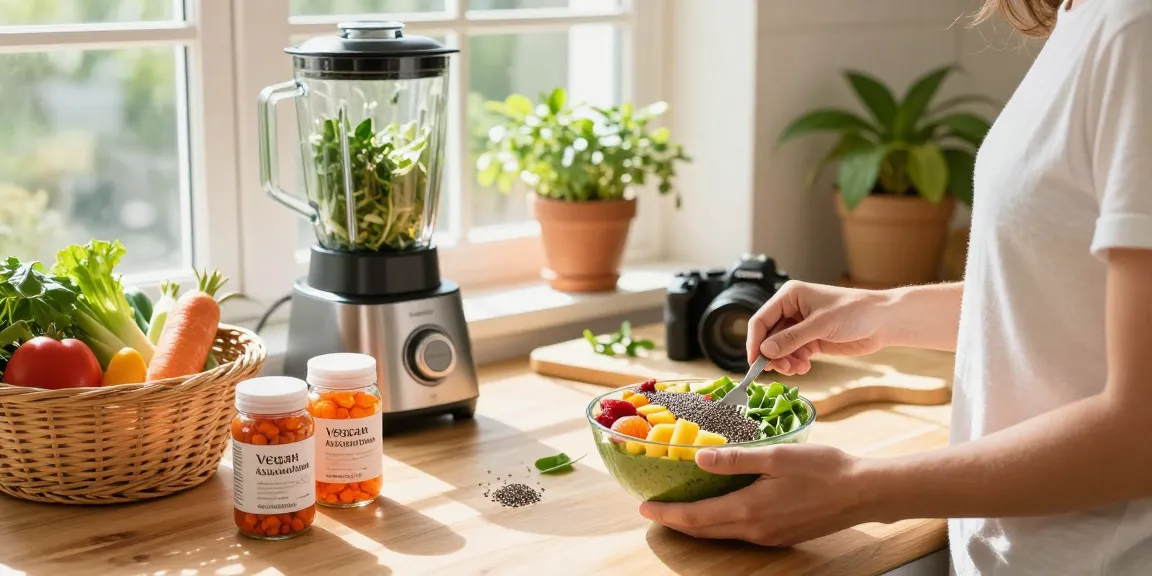
Understanding Vegan Astaxanthin
As the world increasingly embraces plant-based diets, one supplement that has garnered attention is vegan astaxanthin. This powerful antioxidant, known for its vibrant red pigment, offers numerous health benefits tailored for those who adhere to vegan lifestyles. In this comprehensive guide, we will explore what vegan astaxanthin is, its benefits, and how it can be integrated into your daily routine.
What is Vegan Astaxanthin?
Vegan astaxanthin is a naturally occurring carotenoid found in certain algae, primarily Haematococcus pluvialis. Unlike synthetic versions derived from petrochemicals, vegan astaxanthin is obtained from renewable, plant-based sources, making it suitable for vegans and vegetarians. This potent antioxidant has gained popularity due to its remarkable ability to combat oxidative stress and support various bodily functions.
The Benefits of Astaxanthin for Vegans
Astaxanthin offers a plethora of benefits specifically advantageous to those following a vegan diet:
- Superior Antioxidant Protection: Astaxanthin is regarded as one of the most powerful antioxidants, significantly more effective than vitamins C and E in neutralizing free radicals.
- Anti-Inflammatory Properties: Regular consumption can help reduce inflammation, benefiting everyone from athletes to those with chronic pain conditions.
- Support for Eye Health: It aids in protecting the eyes from fatigue and damage caused by blue light exposure.
- Skin Health: When taken consistently, astaxanthin can improve skin elasticity, hydration, and overall appearance.
- Enhanced Athletic Performance: Athletes report improved endurance, reduced muscle soreness, and faster recovery times.
How Vegan Astaxanthin Compares to Other Antioxidants
When stacked against other common antioxidants, vegan astaxanthin stands out due to its unique molecular structure, allowing it to span cell membranes effectively. Unlike many antioxidants that operate in a single location within the body, astaxanthin can act throughout the entire cell, providing comprehensive protection. Studies show it is over 6000 times more potent than vitamin C in its ability to combat oxidative damage.
Sources of Vegan Astaxanthin
Top Plant-Based Sources of Astaxanthin
While astaxanthin is primarily sourced from specific algae, there are several plant-based food sources containing it, making it easier to incorporate into a vegan diet. These include:
- Microalgae: As mentioned, Haematococcus pluvialis is the richest source.
- Certain Seafood: Though not vegan, it's notable that wild salmon and shrimp are rich in astaxanthin due to their diet of algae.
- Supplement Options: Algal oil supplements provide a concentrated source of vegan astaxanthin, ideal for boosting intake.
How to Integrate Vegan Astaxanthin into Your Diet
Integrating vegan astaxanthin into your diet can be both simple and delicious. Here are some practical tips:
- Add algal oil supplements to your daily regimen.
- Incorporate astaxanthin-rich smoothies using algae powders.
- Experiment with vegan recipes that include foods known to offer antioxidant benefits, enhancing overall nutrient uptake.
Common Misconceptions About Astaxanthin Sources
A common misconception is that astaxanthin is only available through animal products. However, with the rise of vegan dietary supplements, this potent antioxidant can be easily included in a vegan lifestyle. It's important to look for labels that specify the source to ensure it is plant-based.
The Science Behind Vegan Astaxanthin
How Astaxanthin Works in the Body
Astaxanthin exerts its effects primarily by enhancing the body’s antioxidant defenses. It stabilizes the cell membranes, which helps protect against oxidative stress caused by environmental factors and metabolic processes. Its ability to cross the blood-brain barrier also means it has neuroprotective effects, enhancing brain health.
Latest Research Findings on Vegan Astaxanthin
Recent research has continued to uncover the benefits of astaxanthin. For example, studies in 2026 indicate that astaxanthin supplementation can positively influence lipid metabolism, reducing the risk of cardiovascular diseases. Other research highlights its role in protecting against neurodegenerative diseases, presenting it as a potential natural treatment option.
Potential Health Risks and Considerations
While astaxanthin is generally recognized as safe, there are some considerations to keep in mind. High doses may lead to skin discoloration (a harmless effect), gastrointestinal discomfort, or upset in sensitive individuals. As with any supplement, consulting with a healthcare provider before starting a new regimen is recommended, particularly for those with existing health conditions or who are pregnant.
Incorporating Vegan Astaxanthin into Daily Life
Creative Recipes Featuring Astaxanthin
Incorporating astaxanthin into your meals can be both fun and nutritious. Consider these recipes:
- Astaxanthin Smoothie: Blend banana, spinach, a scoop of astaxanthin powder, and almond milk for a vibrant energy boost.
- Vegan Pasta Sauce: Add spirulina or a dash of astaxanthin powder to your homemade tomato sauce for a colorful twist.
- Astaxanthin Energy Bites: Combine oats, nut butter, agave, and a sprinkle of astaxanthin powder for a delicious snack.
Choosing Quality Vegan Astaxanthin Supplements
When selecting a vegan astaxanthin supplement, consider the following criteria:
- Source: Ensure that it is derived from Haematococcus pluvialis algae.
- Purity: Look for supplements that are free from fillers and additives.
- Certification: Opt for brands that provide third-party testing and certification for quality assurance.
Tips for Daily Consumption and Tracking Benefits
To maximize the benefits of vegan astaxanthin, consistency is key. Here are tips for effective consumption:
- Set a daily reminder to take your supplements.
- Keep a journal to track changes in energy levels, skin health, and overall well-being.
- Combine astaxanthin with healthy fats, such as avocados or nuts, to enhance absorption.
Future Trends for Vegan Astaxanthin
Emerging Research and Developments in 2026
As the demand for vegan health supplements increases, research around astaxanthin is expected to proliferate. Emerging studies suggest that personalized nutrition plans including astaxanthin might play a significant role in preventive health strategies. Additionally, advances in extraction technology may yield more sustainable and efficient production methods.
How Vegan Astaxanthin Fits Into Sustainable Nutrition
Vegan astaxanthin’s sourcing aligns with the principles of sustainable nutrition. By reducing reliance on animal products and opting for algae-based supplements, individuals can lower their ecological footprint while enhancing their health. This synergy is critical as more consumers demand environmentally friendly and ethically sourced supplements.
Expert Insights on the Future of Vegan Astaxanthin
Nutritionists and health experts project that vegan astaxanthin could become a staple in the health and wellness industry. As knowledge of its benefits spreads, it will likely be integrated into a wider array of dietary products, from snacks to beverages, catering to health-conscious consumers.
What is the best way to consume vegan astaxanthin?
The best way to consume vegan astaxanthin is through a combination of high-quality supplements and food sources. It's recommended to take supplements with meals to enhance absorption.
Are there any side effects of vegan astaxanthin?
While generally safe, excessive consumption may lead to minor side effects like skin discoloration or gastrointestinal issues. Moderation is key, and consulting a healthcare provider is advisable for personalized recommendations.
How does vegan astaxanthin support athletic performance?
Vegan astaxanthin assists in enhancing athletic performance by reducing muscle fatigue, improving endurance, and accelerating recovery post-exercise. Its anti-inflammatory properties help athletes maintain peak performance levels.
Can I get enough astaxanthin from a vegan diet?
While plant sources are limited in astaxanthin content, supplements derived from algae can provide sufficient amounts to meet dietary needs. A well-structured vegan diet can ensure adequate antioxidant intake.
What are the differences between synthetic and natural astaxanthin?
Synthetic astaxanthin is chemically manufactured, while natural astaxanthin is extracted from algae. The natural form offers superior bioavailability and may provide additional health benefits due to the presence of synergistic compounds found in whole food sources.