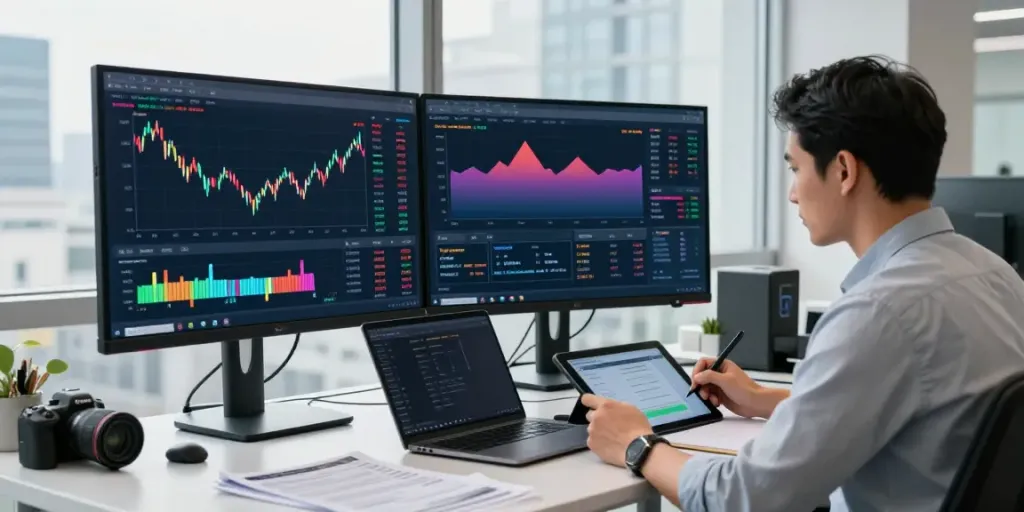
Understanding TradingView: An Overview
In today's fast-paced financial markets, having the right tools can make all the difference in executing successful trades. TradingView has emerged as a leading platform that caters to the diverse needs of traders, whether in stocks, forex, cryptocurrencies, or derivatives. This powerful web-based platform offers a seamless experience, combining advanced charting capabilities with social networking features, making it a go-to choice for traders of all levels.
What is TradingView and Its Core Features?
TradingView is an online platform designed for traders and investors to track market movements, analyze financial instruments, and share insights with a global community. Key features include:
- Advanced Charting: Offers a multitude of chart types and tools, allowing users to visualize data effectively.
- Custom Indicators: Users can create their own indicators using Pine Script, enhancing their technical analysis capabilities.
- Social Network Integration: Traders can share strategies and view others’ analyses, fostering a collaborative trading environment.
- Real-Time Alerts: Set up alerts based on price movements and indicators, ensuring you never miss critical market events.
- Integration with Brokers: TradingView supports direct trading through partnered brokers in certain regions, streamlining the trading process.
Benefits of Using TradingView for Traders
The advantages of utilizing TradingView extend beyond its basic functionalities. Here are some key benefits:
- Comprehensive Market Coverage: Access to a wide array of markets including stocks, ETFs, options, futures, forex, and cryptocurrencies.
- User-Friendly Interface: Intuitive design makes navigation easy, even for beginners, ensuring all tools are within reach.
- Community Engagement: Benefit from community contributions, insights, and discussions that can enhance individual trading strategies.
- Multi-Platform Accessibility: Available on web, desktop, and mobile, enabling users to trade from anywhere at any time.
- Data-Driven Decision Making: Access to a comprehensive suite of analytical tools to inform trading choices with precision.
How TradingView Enhances Market Research
Research is critical in trading, and TradingView provides various tools to assist traders in their market analysis. The platform allows users to utilize:
- Heat Maps: Quickly identify market performance across various sectors.
- Screeners: Filter assets based on various criteria, such as price movements and technical indicators.
- Calendar Events: Stay updated on economic events and earnings reports that may impact market conditions.
- Integrated News Feeds: Real-time updates from financial news sources to keep users informed about market-driving events.
- Backtesting Capabilities: Test trading strategies against historical data to gauge potential effectiveness before real-world application.
Setting Up Your TradingView Account
Step-by-Step Account Creation Process
Creating a TradingView account is straightforward and can be completed in a few simple steps:
- Visit the TradingView website and click on the "Sign Up" button.
- Choose a method for registering: email, Google, or Facebook.
- Fill in the required details and agree to the terms of service.
- Verify your email to activate your account.
- Once verified, log in to your account, and explore the interface.
Choosing the Right Plan for Your Needs
TradingView offers several plans catering to different trader needs:
- Free Plan: Provides basic features, ideal for beginners wanting to explore the platform.
- Pro Plan: Unlocks additional features like advanced charting, more indicators, and removing ads.
- Pro+ Plan: Offers even more capabilities, including additional charts and alerts.
- Premium Plan: The most comprehensive option, featuring extensive tools for serious traders.
Customizing Your Trading Dashboard
Once your account is set up, customizing your dashboard can enhance your trading experience:
- Select Favorite Widgets: Add or remove widgets such as charts, news feeds, or market summaries based on your preferences.
- Organize Layout: Arrange multiple charts and tools in a layout that fits your trading style.
- Custom Alerts: Set personalized alerts for specific assets or indicators that matter most to you.
- Save Workspaces: Save different setups for various trading strategies or asset classes for easy access later.
Utilizing TradingView’s Analysis Tools
In-depth Look at Charting Options
TradingView's charting features are extensive and versatile:
- Chart Types: Choose from line, bar, candlestick, and Renko charts to represent data visually.
- Timeframes: Analyze price movements in real-time or across different timeframes, from minutes to months.
- Technical Indicators: Apply a variety of indicators like MACD, RSI, and Bollinger Bands to assist in making informed decisions.
- Annotation Tools: Use text boxes, trend lines, and shapes to highlight important areas on your charts.
Creating Custom Indicators with Pine Script
Pine Script is TradingView's proprietary scripting language that allows users to create their own technical indicators and strategies. Beginners can start with simple scripts, while experienced developers can create complex algorithms:
- Access Pine Editor: Navigate to the editor to write and test your scripts.
- Use Built-in Functions: Leverage existing functionalities to build custom indicators efficiently.
- Test Your Scripts: Utilize the Strategy Tester to evaluate how your indicators would perform in historical scenarios.
Leveraging Alerts for Effective Trading
Setting alerts is crucial for staying informed about market movements:
- Price Alerts: Notify you when an asset reaches a predetermined price.
- Indicator Alerts: Trigger alerts based on specific technical indicator conditions.
- News Alerts: Stay updated with relevant news that may affect your trades.
- Delivery Options: Choose how you want to be notified—via app, email, or SMS.
Best Practices for Trading with TradingView
Developing a Consistent Trading Routine
Establishing a routine can significantly improve your trading outcomes:
- Daily Review: Spend time each day reviewing strategies and market conditions.
- Documentation: Keep a trading journal to record thoughts, strategies, and outcomes for future reference.
- Continuous Learning: Actively engage with community insights and educational resources to enhance your knowledge.
Using Community Insights and Social Features
Engaging with the TradingView community can provide numerous benefits:
- Follow Influential Traders: Gain insights from experienced traders and analysts by following their profiles.
- Participate in Discussions: Engage in forums and comment sections to share thoughts and learn from others.
- Publish Your Ideas: Contribute your analyses and strategies to the community and receive feedback.
Performance Metrics to Track Your Success
To evaluate your trading performance effectively, it is crucial to track key metrics:
- Win Rate: Measure the percentage of profitable trades compared to total trades.
- Average Profit/Loss: Analyze the average profit made on winning trades versus losses on losing trades.
- Risk-to-Reward Ratio: Evaluate the potential reward relative to the risk taken on each trade.
Future Trends in Trading Technology (2026 and Beyond)
The Evolution of TradingView’s Features
As trading technology continues to evolve, TradingView is expected to enhance its features:
- AI Integration: Anticipate the inclusion of AI tools for predictive analytics and automated trading recommendations.
- Improved User Experience: Ongoing refinements to user interface and navigation will enhance the overall usability.
- Broader Asset Classes: Expansion of trading options to include more alternative assets, such as digital currencies and tokenized securities.
Emerging Technologies Impacting Trading
New technologies are reshaping the trading landscape:
- Blockchain Innovations: Increased security and transparency in trading through distributed ledger technologies.
- Machine Learning: Enhanced analysis through machine learning algorithms that can identify patterns and trends.
- Mobile Trading Enhancements: Growth in mobile capabilities for on-the-go trading and real-time decision making.
Preparing for Future Market Changes
Traders must be adaptable to navigate future market changes:
- Stay Informed: Regularly update knowledge on regulatory changes, economic shifts, and emerging technologies.
- Flexible Strategies: Develop trading strategies that can be modified quickly to adapt to new market conditions.
- Risk Management: Always prioritize sound risk management practices to protect investments in uncertain times.
What are TradingView’s Community Insights?
Community insights on TradingView offer traders various perspectives:
- Idea Sharing: Traders publish their analyses and predictions, creating a collaborative learning environment.
- Trending Assets: Identify popular assets based on community discussions and activities, potentially highlighting emerging trends.
- Feedback Mechanism: Constructive feedback from other traders can enhance the quality of trading strategies.
How Reliable are TradingView’s Alerts?
Reliability of alerts is critical for timely decision-making:
- Real-Time Notifications: Alerts are sent out immediately when set conditions are met, ensuring traders remain informed.
- Customization: Alerts can be tailored to individual preferences, increasing the relevance of notifications.
- Robustness: TradingView's infrastructure supports high volumes of alert triggers, minimizing downtimes or delays.
Can TradingView Support Automated Trading?
While primarily a research and analysis tool, TradingView can facilitate automated trading to some extent:
- Webhook Integration: Users can set up automated trading via webhook alerts that trigger orders on compatible platforms.
- API Features: Advanced users can utilize TradingView’s API to integrate their trading strategies with custom systems.
- Community Scripts: Leverage community-created strategies that can be modified for automated trading setups.
What Resources are Available for Trading Education?
Education resources on TradingView help traders enhance their understanding:
- Tutorials and Guides: Comprehensive written guides and video tutorials covering various trading concepts and platform features.
- Webinars: Regularly hosted webinars featuring experts discussing market trends and trading strategies.
- Community Contributions: Access to articles and ideas shared by community members that can provide new insights.
Is TradingView Worth the Investment?
For many traders, the benefits of TradingView outweigh the costs:
- Cost-Effective: Competitive pricing structures for premium features provide value relative to the depth of tools available.
- Enhanced Trading Decisions: Comprehensive features help traders make better-informed decisions, potentially leading to increased profitability.
- Community and Support: Active community engagement can lead to continuous learning and improvement in trading strategies.
How Does TradingView Compare to Competitors?
When comparing TradingView with its competitors, several factors come into play:
- Comprehensive Tools: TradingView offers a robust set of tools in a single platform, unlike many competitors that may require multiple applications.
- Community Engagement: The social aspect of TradingView is a significant differentiator, providing a collaborative environment not found in many other platforms.
- Adaptability: With frequent updates and improvements, TradingView remains at the forefront of trading technology.