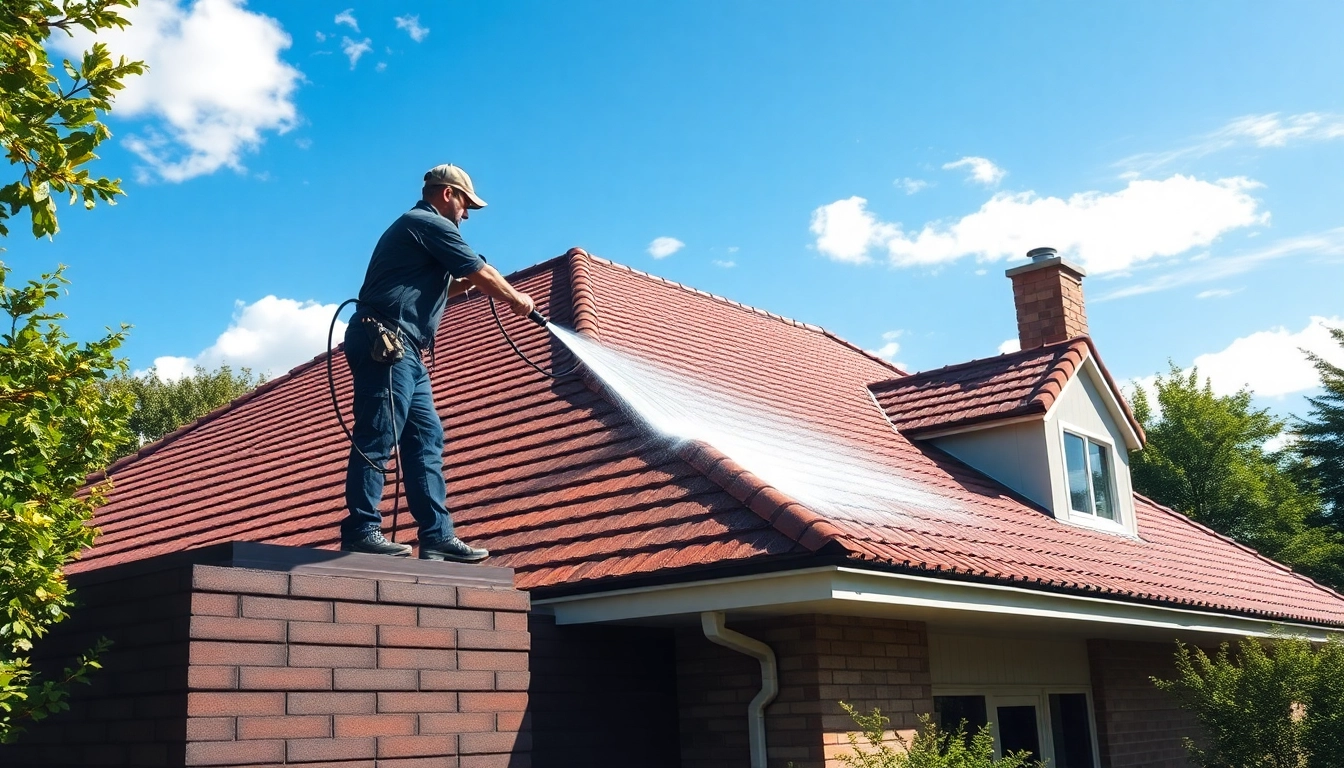
Understanding the Importance of Roof Cleaning
Your roof is an essential component of your house, shielding it from weather elements and contributing to its overall aesthetic. However, without proper maintenance, roofs can become breeding grounds for algae, moss, and other organic materials. Regular Roof Cleaning not only ensures its longevity but also enhances property value and curb appeal.
Benefits of Regular Roof Cleaning
Cleaning your roof regularly brings numerous benefits, including:
- Prolonged Roof Lifespan: By removing contaminants, such as algae and moss, you prevent premature aging of roofing materials.
- Improved Energy Efficiency: A clean roof reflects sunlight better, reducing cooling costs in warmer months.
- Enhanced Safety: Regular cleaning minimizes the risk of mold growth and potential leaks, making your home safer.
- Aesthetic Appeal: A clean roof improves the overall look of your home, making it more inviting.
Potential Risks of Neglecting Roof Maintenance
Neglecting roof maintenance can lead to severe consequences, including:
- Structural Damage: Accumulated debris can trap moisture, leading to wood rot and weakening the structure.
- Health Hazards: Mold and mildew thrive on dirty roofs, posing health risks to inhabitants.
- Expensive Repairs: Addressing issues caused by neglect can result in significant investment and effort.
How Roof Cleaning Enhances Curb Appeal
A clean roof significantly boosts curb appeal: it enhances the architectural features of your home, increases the odds of a sale by making a positive first impression, and highlights your property’s upkeep. A dull, stained roof can detract from an otherwise beautiful home, lowering market value.
Common Roof Cleaning Methods
Various methods exist for cleaning roofs, each with unique advantages and drawbacks. It’s crucial to understand these methods to choose the right one for your specific roofing material.
Soft Wash Technique Explained
The soft wash technique employs low-pressure water combined with specialized cleaning solutions to eliminate algae, mold, and dirt from roofs without damage. This method is safer for most roofing materials, maintaining their integrity while effectively cleaning. It is especially suitable for asphalt shingles and wood shakes.
Pressure Washing: Pros and Cons
Pressure washing uses high-pressure water jets to remove dirt and debris. While effective, it can be too forceful for certain roofing materials, potentially leading to damage. It is essential to assess the suitability based on your roof’s material:
- Pros: Fast and efficient; ideal for hard surfaces.
- Cons: Risk of structural damage, particularly for softer roofing materials.
DIY Roof Cleaning: What You Need to Know
While some homeowners might consider a DIY approach to roof cleaning, it is essential to weigh the risks and benefits. Proper cleaning products, safety equipment, and techniques are necessary for success.
DIY roof cleaning can save money, but without experience, it can lead to injuries or harm to your roof. If attempting a DIY solution, always prioritize safety measures, including using ladders correctly and wearing protective gear.
Cost Factors for Roof Cleaning
Understanding the cost of roof cleaning helps homeowners budget effectively. Prices can vary significantly based on several factors.
Average Pricing for Different Roof Types
The average cost of roof cleaning can fluctuate based on materials:
- Asphalt Shingles: Typically around $0.15 to $0.30 per square foot.
- Tile: Generally ranges from $0.20 to $0.50 per square foot.
- Metal: Costs can range from $0.10 to $0.25 per square foot.
- Wood Shakes: More labor-intensive, often costing $0.25 to $0.50 per square foot.
Understanding Service Fees
Service fees can add to the total cost. Considerations include:
- The size of the roof: Larger roofs require more time and resources.
- Location: Costs may vary depending on the regional market.
- Accessibility: Roofs that are challenging to access could incur higher prices due to increased labor.
Cost-Saving Tips for Homeowners
To save on roof cleaning costs:
- Plan your cleaning in conjunction with other home maintenance tasks.
- Search for seasonal discounts offered by roof cleaning services.
- Join neighborhood groups to form collective cleaning contracts for reduced rates.
Choosing a Roof Cleaning Service
Selecting the right roof cleaning service can significantly impact the results you achieve.
What to Look for in a Provider
Consider certifications, experience, and customer reviews. Look for providers who carry liability insurance and warranty their work to protect against potential damages.
Questions to Ask Before Hiring
Asking the right questions can lead to a successful service experience:
- What cleaning methods do you use?
- Can you provide references or testimonials?
- Do you guarantee your services?
Red Flags to Watch Out For
Be cautious of providers that offer deals that seem too good to be true. Incomplete licenses, lack of insurance, and poor communication can indicate a service to avoid.
FAQs About Roof Cleaning
How Often Should I Clean My Roof?
Typically, roofs should be cleaned every 1-2 years, depending on local environmental factors and the type of roofing material you have.
Can Roof Cleaning Damage My Shingles?
If done improperly or with high pressure, roof cleaning can damage shingles. Choosing professionals who use soft washing techniques lowers this risk.
What Is the Best Time of Year for Roof Cleaning?
Spring and early fall are the best times, as dry weather allows for effective cleaning without excessive moisture pressure on the roof surface.
How Do I Know If My Roof Needs Cleaning?
Signs include visible stains, algae, or moss growth, and dark patches on shingles, which indicate moisture retention and debris buildup.
Are Chemicals Used in Roof Cleaning Safe?
When applied correctly, the chemicals used in professional roof cleaning are safe and eco-friendly, designed to protect both the roofing material and the surrounding landscape.