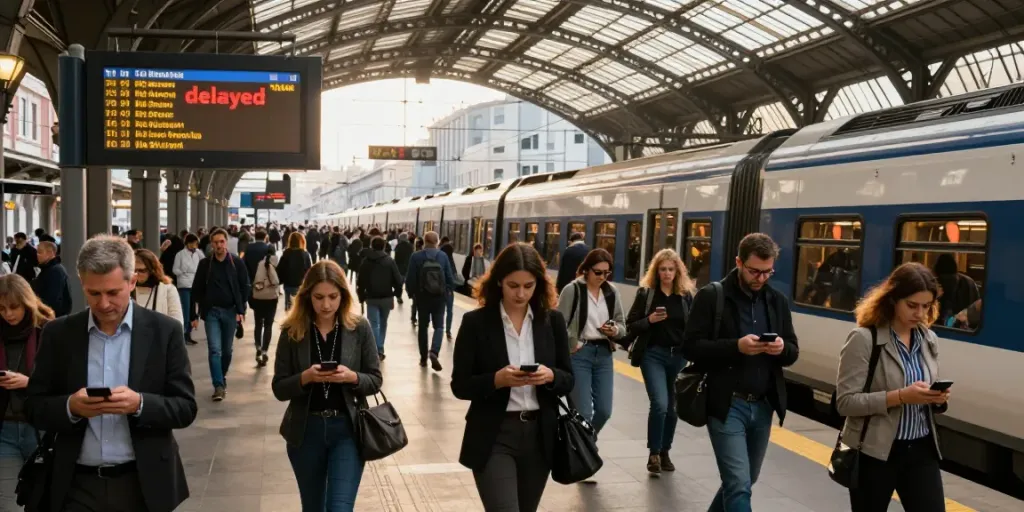
Understanding Train Delays in 2026
In the fast-paced world of transportation, train delays have become a significant concern for commuters and travelers alike. As we delve into 2026, understanding the factors behind these delays is more crucial than ever. The complexity of train operations means that various elements can lead to disruptions, impacting not just individuals’ schedules but the broader economy as well. To stay informed about these impacts, tools like train delays notifications can offer timely updates that are essential for effective planning.
What Causes Train Delays?
Several factors contribute to train delays, and they can range from infrastructural issues to human error. Some of the most common causes include:
- Weather Conditions: Severe weather like snow, rain, and fog can significantly slow down train operations. For instance, heavy snowfall may lead to track obstruction and mechanical failures in some train systems.
- Technical Failures: Equipment malfunctions can halt services. Signal failures, track issues, and problems with the trains themselves can all lead to delays.
- Operational Changes: Adjustments by the rail company, such as schedule changes or the need to accommodate freight trains, can create unexpected delays.
- Accidents: Incidents involving trains or trespassers on tracks can lead to significant delays as safety protocols are followed.
- High Traffic Volume: In busy transit areas, trains can become delayed due to congestion, similar to a traffic jam on the road.
Common Misconceptions About Train Delays
Many individuals hold misconceptions about the reasons behind train delays. One common belief is that delays are solely due to poor management by rail companies. While management issues can contribute, external factors such as weather and accidents often play a more substantial role. Another misconception is that all train delays are avoidable; however, safety regulations necessitate certain procedures that can lead to delays. Understanding these nuances can help commuters better prepare and adjust their travel plans.
The Economic Impact of Train Delays
Train delays can have a broader economic impact beyond mere inconvenience. They can lead to lost productivity for businesses as employees arrive late and impact the logistical operations of goods transportation. According to recent studies, it is estimated that train delays cost the U.S. economy approximately $2 billion annually. This figure is likely mirrored across various countries, particularly where rail travel is prominent. Businesses that rely on timely deliveries might see increased operational costs, while passengers may incur additional expenses due to unexpected travel changes.
Real-Time Updates for Train Delays
In an age where technology is evolving rapidly, staying informed about train delays has never been easier. Real-time updates are becoming increasingly available through various platforms, allowing travelers to navigate delays more efficiently.
How Technology is Changing Train Delay Notifications
Advancements in technology have revolutionized how information about train delays is communicated to the public. Mobile apps and social media platforms provide instant notifications about service disruptions. These tools not only relay information in real time but also offer routes and alternatives to affected travelers. Integration with GPS technology means passengers can receive alerts about delays specific to their location, improving overall travel experiences.
Benefits of Using Mobile Apps for Real-Time Alerts
Utilizing mobile applications for train delay notifications offers several advantages:
- Immediate Updates: Passengers receive notifications as soon as delays are reported, allowing for quick adjustments to their travel plans.
- Personalized Alerts: Users can customize notifications based on their routes and preferred travel times, ensuring relevance.
- Access to Alternative Routes: Many apps suggest alternative transport options or routes in the event of delays, enhancing travel flexibility.
- User-Friendly Interfaces: Most apps are designed to be intuitive, making it easy for users to find the information they need quickly.
Regional Differences in Update Efficiency
The efficiency of real-time updates can vary significantly between regions. Areas with robust infrastructure and technological support tend to provide more timely and accurate information. Conversely, regions with older systems may struggle to keep passengers informed. A disparity in resources can lead to frustrations for commuters who may not receive notifications in a timely manner, accentuating the importance of investing in updates and technology across the board.
Strategies for Managing Train Delays
Even with the best information at hand, delays can still disrupt travel plans. Therefore, it is essential for commuters to have strategies in place for managing these unforeseen challenges.
Planning Ahead: Tips for Commuters
Proactive planning can mitigate the impact of train delays. Here are some actionable tips:
- Check Schedules Regularly: Always review the train schedules before leaving home, especially during known peak times where delays are more likely.
- Set Up Notifications: Use apps that provide real-time notifications for your specific routes.
- Allow Extra Time: When planning your travel, factor in potential delays, particularly if you have important engagements.
- Familiarize Yourself with Alternatives: Know alternative transport options available in case of significant delays.
Alternative Transport Options During Delays
When faced with delays, having alternative transport options at the ready can save time and reduce frustration. Consider using:
- Buses: Many train routes have parallel bus services that can be utilized during significant delays.
- Rideshare Services: Apps like Uber or Lyft can provide quick alternatives to public transport.
- Carpooling: Engaging with local carpool networks can offer shared rides during transit woes.
How to Stay Calm and Collected
Delays can create a stressful environment, but keeping calm is vital. Techniques such as mindfulness and deep breathing can help manage stress levels. Additionally, staying engaged with entertainment or productive tasks can make waiting times feel shorter and less frustrating.
The Future of Train Services Post-Delays
As we look to the future, advancements in technology are poised to further reshape our experiences with train services. Companies are under pressure to innovate and enhance service quality for their passengers.
Predicted Trends in Train Travel for 2026
In the years to come, we can expect trends such as:
- Enhanced AI Integration: Artificial intelligence may be used to predict delays before they occur, allowing for preemptive action.
- Sustainability Initiatives: More emphasis will likely be placed on environmentally friendly practices, including electrification of train systems.
- Expanded Network Connectivity: Increasing the integration of train services with other modes of transportation to streamline travel experiences.
Innovations to Reduce Train Delays
Rail companies are investing in technology designed to minimize delays, including:
- Upgrading Infrastructure: Modernizing tracks and signals to improve reliability and reduce the risk of failures.
- Real-Time Monitoring Systems: Installing systems that continuously track train statuses and immediate environmental conditions to efficiently manage operations.
- Predictive Analytics: Utilizing data analysis to forecast potential delays based on historical patterns.
Government Policies Impacting Train Services
Government regulations can significantly affect train services. Policies that emphasize funding for rail infrastructure and safety standards will be critical in shaping future operations. Supportive policies can facilitate improvements across the board, leading to fewer delays and a more efficient transportation network.
User Experiences and Testimonials
To understand the real-world impact of train delays, it is important to listen to commuter experiences.
Real Stories: Commuters and Train Delays
Commuters from various backgrounds share their experiences with train delays, highlighting the importance of staying informed and adaptable. Many emphasize the value of having a reliable notification system that serves as a lifeline during unexpected disruptions.
Case Studies of Efficient Delays Management
Some rail companies have successfully implemented strategies to minimize the impact of delays. For instance, initiatives like real-time reporting and improved customer support have resulted in enhanced user satisfaction, even during challenging times.
Feedback on Delay Notification Apps
Users generally express appreciation for applications that provide timely updates on train delays. Many report that such tools have fundamentally changed how they plan their journeys, making travel much more predictable and manageable.