Understanding the Importance of Language Learning
In today's interconnected world, the ability to communicate across cultures and languages has become more crucial than ever. As we approach 2026, language proficiency is not just a valuable skill; it is a necessity for both personal and professional success. Diverse environments demand effective communication and collaboration, making language learning an imperative for individuals of all ages. To enhance your language learning journey, consider exploring robust methods and resources, such as the innovative approach presented by Toto.
Why Language Proficiency Matters in 2026?
By 2026, the demand for multilingual individuals is projected to soar, especially in global industries like technology, healthcare, and business. Companies increasingly seek employees who can navigate different cultural contexts and communicate effectively with diverse teams. Additionally, language skills enhance cognitive abilities, fostering better problem-solving and critical-thinking skills. In a world where artificial intelligence is streamlining many tasks, human communication and understanding remain irreplaceable.
Common Misconceptions About Language Education
Many people believe that learning a new language is an insurmountable challenge that requires years of dedication. However, this misconception often leads to unnecessary barriers. In reality, with structured methodologies like the Toto method, learners of any age can acquire new languages efficiently and enjoyably. Moreover, the idea that language learning is only for students or young people is outdated; adults can successfully learn new languages and reap their benefits at any stage in life.
The Role of Language in Global Communication
Communication is the cornerstone of global interaction. Language acts as a bridge that connects people from different backgrounds, fostering understanding and cooperation. As globalization increases, so does the need for effective communication skills. Multilingual individuals can engage in dialogues, negotiate agreements, and build relationships that transcend borders. In a professional context, strong language skills can lead to more significant job opportunities and career advancements.
Exploring the Toto Method for Language Acquisition
The Toto method is designed to facilitate effective language learning through interactive materials and immersive experiences. By leveraging technology and tailored content, the method addresses various learning styles, making it adaptable for everyone, from children to adults.
What is the Toto Method and How Does it Work?
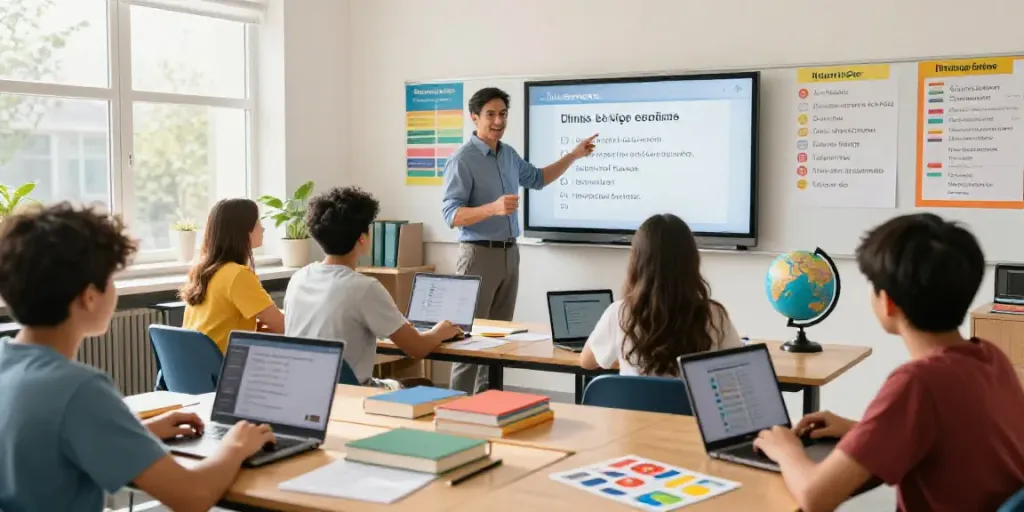
This innovative language learning approach combines multimedia resources, including videos and interactive exercises, to engage learners deeply. The curriculum is designed to provide a comprehensive yet flexible learning experience, allowing learners to progress at their own pace. The inclusion of practical scenarios helps learners apply their skills in real-life situations, reinforcing their understanding and retention of the language.
Benefits of Using Interactive Language Learning Sets
- Enhanced Engagement: Interactive materials capture the learner's interest, encouraging active participation.
- Immediate Feedback: Learners receive instant corrections and guidance, which helps them improve quickly.
- Flexibility: Students can learn at their own pace, which accommodates different schedules and lifestyles.
- Real-World Application: The curriculum often includes scenarios that learners may face in actual conversations, increasing confidence.
Real-Life Success Stories of the Toto Approach
Numerous success stories highlight the effectiveness of the Toto method. For instance, students transitioning to study abroad or starting new jobs in foreign countries often share their experiences of how the interactive approach significantly improved their language skills. Testimonials from diverse learners confirm that they not only grasp the language but also learn to appreciate the associated culture, leading to more meaningful interactions in their studies and workplaces.
Integrating Technology into Language Study
In the digital era, technology plays a vital role in language education. Various tools and resources can simplify the learning process and make it more effective, maximizing the learner’s potential.
The Impact of Digital Tools in Language Learning
Digital tools, such as language learning apps and online platforms, have transformed traditional learning methods. They provide an interactive experience that complements classroom instruction, offering learners access to extensive resources that were previously unavailable. By utilizing technology like mobile applications, learners can practice on-the-go, further enhancing their skills in different contexts.
Recommended Apps and Resources for Language Learners
- Duolingo: An engaging platform offering gamified language lessons.
- Babbel: Focused on conversational skills, making it practical for everyday use.
- Quizlet: A versatile tool for creating flashcards and quizzes for vocabulary practice.
- HelloTalk: A social app that connects learners with native speakers for language exchange.
Best Practices for Using Technology Effectively
To maximize the benefits of digital tools, learners should consider the following best practices:
- Set Clear Goals: Identify specific language skills you want to improve, such as speaking or writing.
- Stay Consistent: Regular practice is key; try to incorporate language learning into your daily routine.
- Engage with Native Material: Listen to podcasts or watch shows in the target language to immerse yourself.
- Join Online Communities: Engage with other learners for support and practice opportunities.
Engaging Learning Strategies for Different Age Groups
Language learning strategies must be tailored to cater to the different needs of learners across various age groups. Recognizing these differences can make the learning process more effective and enjoyable.
Language Learning Techniques for Children
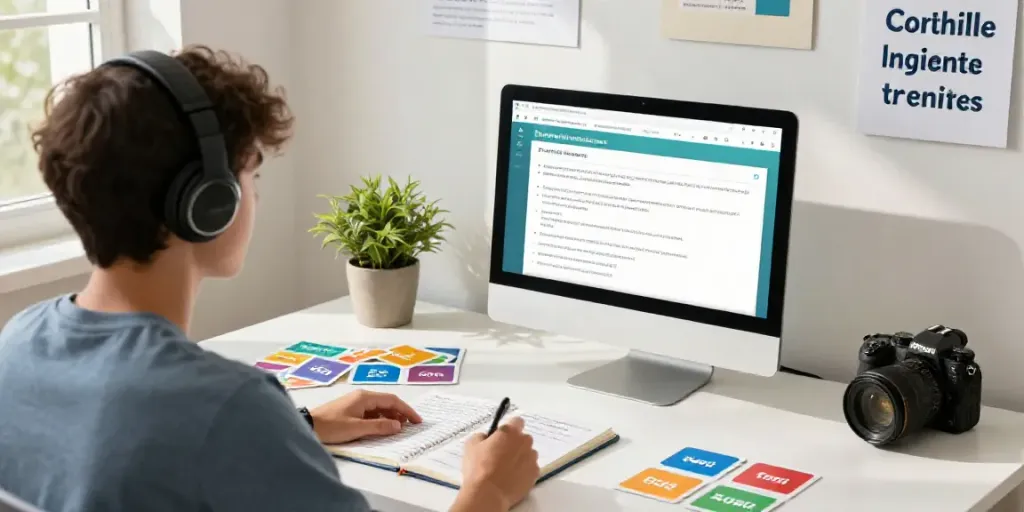
For children, learning should be fun and interactive. Using games, songs, and animated storytelling can significantly enhance their engagement and retention. Educational toys and language learning apps designed for kids also help make learning a more delightful experience.
Effective Study Habits for Teenagers
Teenagers often have packed schedules, so incorporating language learning into their daily lives is crucial. Study groups and peer performance can motivate adolescents, especially when combined with social elements like online language challenges.
Adult Learners: Balancing Work and Language Learning
Adult learners often juggle work and family responsibilities. They benefit from setting realistic goals and using snippets of time throughout their day for practice. Combining language learning with their professional tasks, such as reading industry-related articles in the target language, can also be effective.
Future Trends in Language Education and Learning
As we look towards 2026, language education will continue to evolve, embracing new methodologies and technologies to enhance learning experiences.
The Evolution of Language Teaching Methods by 2026
Future language education will likely focus more on personalized learning experiences. Adaptive learning technologies may become prevalent, where content dynamically adjusts to the learner's pace and style, making education more relevant and effective.
Emerging Technologies in Language Education
The rise of virtual and augmented reality tools holds promise for immersive language learning experiences. These technologies can simulate real-life situations where learners can practice their language skills in a controlled yet realistic environment.
Preparing for a Multilingual Future
As global communication expands, the ability to understand and speak multiple languages will be increasingly important. Educational institutions and companies that emphasize language learning will have a competitive advantage in a multilingual world.
What Are the Basics of Language Learning?
Language learning fundamentals include understanding grammar rules, expanding vocabulary, and practicing speaking and listening skills. A well-rounded approach that includes reading, writing, speaking, and listening will lead to better retention and fluency.
How Can I Start Learning a New Language?
To begin your journey in language learning, set clear objectives, find reliable resources, and dedicate time to practice regularly. Whether through classes, online platforms, or self-study, consistency is key.
What Are the Best Resources for Language Learning?
Choosing quality resources significantly impacts the learning process. Language learning apps, textbooks, and online courses provide structured content. Additionally, engaging with native speakers accelerates fluency and cultural understanding.
What Challenges Might I Face While Learning a Language?
Common challenges include motivation dips, time constraints, and difficulty with pronunciation or grammar. Addressing these concerns with support from peers, teachers, or language communities can help learners overcome obstacles.
How Do I Assess My Language Proficiency?
Regular assessments, through tests, quizzes, or speaking evaluations, allow learners to track their progress. Additionally, self-assessment tools or interactive exams can provide insights into language proficiency levels.
What Role Does Culture Play in Language Learning?
Cultural context enriches language learning. Understanding cultural nuances and practices enhances communication skills and fosters deeper connections with speakers of the language. Integrating culture into the learning process leads to a more holistic education.