Understanding Celebrity Lookalikes
Imagine walking down the street and catching a glimpse of someone who looks remarkably like a famous celebrity. The phenomenon of finding someone who look like celebrities has intrigued and entertained people for generations. This fascination with lookalikes often leads to fun conversations, social media trends, and even scientific investigations into what causes these striking resemblances. In this article, we will delve into the science behind looking like a celebrity, explore the cultural significance of lookalikes, and debunk some prevalent myths that surround this captivating topic.
What Does It Mean to Look Like Celebrities?
Looking like a celebrity can mean more than just a passing physical resemblance. It's often considered a social indicator, reflecting societal norms and beauty standards. The alignment in features between two people, one of whom is famous, can evoke admiration or intrigue from the public. In a world dominated by visual media, where images of celebrities pervade our daily lives, the allure of finding someone who resembles a star is undeniably enticing.
The Science Behind Facial Recognition Technology
Today, advanced technologies have enabled us to analyze facial features with impressive accuracy. Facial recognition algorithms assess the structure of a person’s face by evaluating various characteristics such as the distance between the eyes, the shape of the jawline, and the contour of the nose. This capability fuels the increasingly popular celebrity lookalike apps, allowing users to discover which star they mirror. By leveraging deep learning and artificial intelligence, these apps can provide users with accurate and entertaining matches.
Exploring the Popularity of Celebrity Lookalike Culture
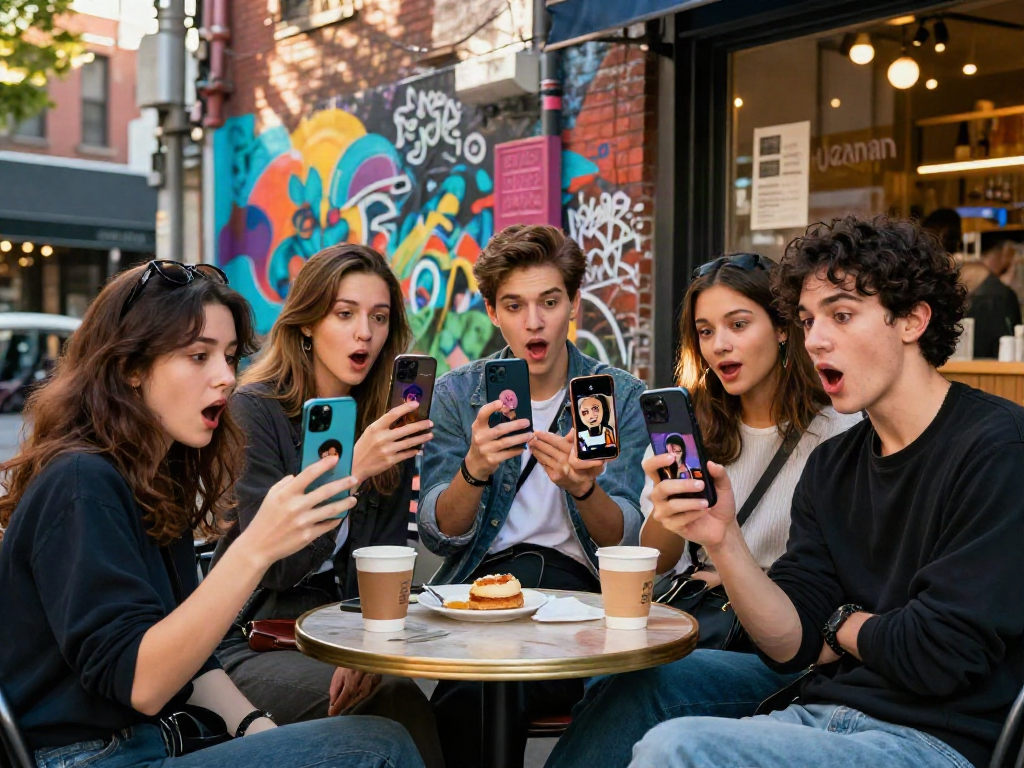
Celebrity culture is pervasive in modern society, influencing trends, fashion, and even lifestyles. The fascination with lookalikes is no exception. Social media platforms like Instagram and TikTok are filled with content where users share their celebrity doppelgängers, leading to viral challenges and hashtags. The blending of humor and admiration in these interactions not only entertains but also invites deeper conversations about identity, beauty, and societal norms.
Common Myths About Looking Like Celebrities
Myth 1: Celebrity Lookalikes Are Rare
One of the most common misconceptions is that people who look like celebrities are a rarity. In reality, genetic similarities among people lead to countless instances of lookalikes across various demographics. Many individuals share common ancestry or genetic traits, contributing to these likenesses. Therefore, the idea that lookalikes are exceptional is largely overstated.
Myth 2: Only Certain Features Matter
Another myth is that only a few features, such as eye color or hair type, are significant in determining a celebrity look-alike. In truth, a combination of features plays a vital role. From facial symmetry to body language, countless factors contribute to the perception of resemblance. This complexity means that even subtle similarities can lead to a striking resemblance from certain angles or in specific contexts.
Myth 3: Lookalike Apps Are Inaccurate
Critics often label celebrity lookalike apps as unreliable. However, advancements in technology have significantly improved their accuracy. While no system is flawless, the integration of large datasets and refined algorithms enables these apps to provide reasonably accurate matches. Furthermore, user feedback continues to help improve these systems, ensuring they evolve over time.
How Celebrity Lookalike Apps Work
Step-by-Step Process of Finding Your Lookalike
The process of finding your celebrity lookalike through an app typically involves a few simple steps:
- Upload a clear photograph of your face.
- The app analyzes your facial features using AI algorithms.
- Receive your top lookalike matches along with similarity scores.
This streamlined process allows users to quickly engage with the technology and discover their doppelgängers.
Data Sources and Algorithms Used
Lookalike apps draw from extensive databases of celebrity images and user-submitted photos to create their matching systems. Algorithms evaluate factors such as skin tone, facial structure, and distinctive features to identify potential matches. By continuously learning from user interactions, these systems canFine-tune their accuracy and suggest better matches over time.
Popular Apps to Try in 2026
As of 2026, several celebrity lookalike apps have garnered popularity for their fun and engaging user experiences. Some widely used options include:
- StarByFace: Known for its intuitive interface and impressive accuracy.
- Celebs Like Me: This app offers a comprehensive platform for finding your lookalike.
- Media.io: Utilizes advanced AI technology to deliver reliable results.
- Face Shape Detector: Offers unique insights into how facial structure affects resemblance.
Real-World Examples of Celebrity Lookalikes
Notable Celebrity Lookalike Matches from History
History is replete with fascinating instances of lookalikes. For example, the resemblance between actors Zoe Saldaña and Thandiwe Newton has astounded fans, leading to countless discussions about their striking similarities. Additionally, Will Ferrell and Chad Smith, the drummer of the Red Hot Chili Peppers, often confuse fans due to their uncanny likenesses.
Famous People Who Have Lookalikes
Famous individuals often find their lookalikes, sometimes to amusing effects. Mikhail Gorbachev's doppelgänger has been a longstanding topic, as well as notable Hollywood actors such as Johnny Depp and his multiple lookalikes in various films. These comparisons can elevate someone's status or lead to humorous encounters during public appearances.
Social Media Trends Featuring Celebrity Lookalikes
Social media has become a driving force behind the popularity of celebrity lookalikes. Various platforms have witnessed viral challenges where users post their celebrity lookalikes with amusing filters or juxtaposed images. These trends not only entertain but also create communities that celebrate genetic diversity and the quirks of resemblance.
Future Trends in Lookalike Technology
Advancements in AI and Image Processing
The future of celebrity lookalike technology is bright, with potential advancements on the horizon. As AI and image processing technologies continue to evolve, we can expect improved accuracy in facial recognition systems. Furthermore, these algorithms will become faster and more efficient, leading to a smoother user experience.
Predictions for Celebrity Lookalike Apps in 2026
In 2026, we predict that celebrity lookalike apps will integrate augmented reality (AR) features, allowing users to visualize their lookalikes in real-time environments. This shift will enhance user engagement and provide a more interactive experience as users can see their lookalikes in various contexts.
How User Engagement is Shaping Development
Feedback from users will play a critical role in shaping the development of future lookalike technologies. As users seek more personalized and precise matches, developers will adapt their algorithms and interfaces based on prevailing trends and user suggestions, fostering a more user-centric approach.
What Are Celebrity Lookalike Contests?
Celebrity lookalike contests are events designed to celebrate and showcase those who resemble famous personalities. Participants often dress up and emulate their celebrity twins, engaging audiences while potentially winning prizes. These contests can also serve as platforms for charity, uniting communities through shared interests and entertainment.
Are There Ethical Concerns with Lookalike Apps?
While the technology is largely seen as fun and innovative, there are ethical considerations regarding privacy and consent, particularly when it comes to using celebrity images or personal data. Developers must prioritize ethical practices to ensure the responsible use of data while keeping user experience at the forefront.