Understanding Applications for Theatre Shows
In the fast-evolving world of theatre, the integration of innovative technology has become paramount for successful productions. Applications for theatre shows have emerged as essential tools that streamline various aspects of production, from sound and lighting design to stage management and audience engagement. Embracing these applications not only enhances the creative process but also ensures that the final output resonates with audiences in profound ways. For more insights into how these tools can revolutionize your productions, explore applications for theatre shows that can transform your workflow.
What Are Applications for Theatre Shows?
Applications for theatre shows encompass a wide range of software designed to assist in various production aspects. These include tools for scriptwriting, stage management, audio and visual design, marketing, and ticketing. Their primary role is to automate repetitive tasks, facilitate communication among team members, and enhance the overall production quality.
Modern theatre applications often utilize cloud technology, allowing collaborative efforts among teams, regardless of location. From pre-production planning to post-show analysis, these apps provide invaluable data and insights that can elevate a production’s effectiveness while saving time and resources.
Why Are They Essential for Productions?
Theatre productions are complex, involving numerous roles and responsibilities that must work in harmony for a successful outcome. Applications provide vital support in several key areas:
- Improved Communication: Tools like Slack or Trello streamline communication, ensuring all team members are aligned and informed.
- Enhanced Efficiency: Automating tasks such as scheduling or budget tracking allows teams to focus more on creative aspects.
- Performance Tracking: Data analytics tools help in monitoring audience engagement and ticket sales, critical for planning future productions.
By adopting these applications, theatre companies can reduce errors, cut down production time, and ultimately deliver a more polished performance.
Common Misconceptions in Theatre Technology
Despite the clear advantages of using technology in theatre, several misconceptions persist. One common myth is that technology diminishes the art of theatre, leading to a disconnect between performers and audiences. In reality, when used effectively, technology amplifies storytelling and enriches the audience's experience.
Another misconception is that only larger productions can benefit from advanced applications. In truth, smaller theatres can also leverage affordable tools to enhance their production without breaking the bank. Understanding the true potential of these applications is crucial for any theatre organization aiming to thrive in a competitive landscape.
Core Applications Every Theatre Needs
Essential Tools for Lighting and Sound Design
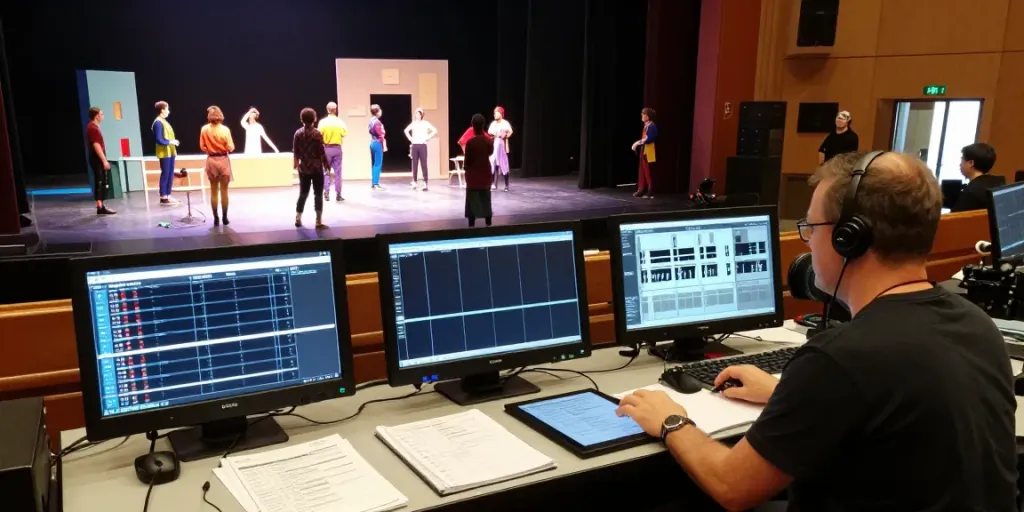
Lighting and sound design are critical components of any theatrical production, and numerous applications simplify these processes. Software like Vectorworks Spotlight allows designers to create precise lighting plots and integrate sound elements seamlessly. Additionally, programs such as Qlab enable sound cues and effects to be triggered in real-time during performances, enhancing the overall auditory experience.
Incorporating these tools not only streamlines the design process but ensures that technical teams can adapt quickly during rehearsals and performances, maintaining the flow of the show.
Stage Management Applications: Streamlining Coordination
Effective stage management is vital for the smooth operation of a production. Applications like Stage Write and ShowMgr allow stage managers to create detailed reports, track changes, and communicate efficiently with cast and crew. These applications offer features such as text messaging, real-time updates, and task assignment, ensuring that everyone is informed and on the same page.
Moreover, stage management apps help preserve the historical context of productions, allowing for easy reference during future shows or in case of emergencies. This preservation is vital for maintaining high standards across multiple performances.
Video Production and Utility Management Tools
The integration of video into live performances is becoming more prevalent, with applications such as TouchDesigner and MadMapper leading the way. These tools enable creators to manipulate visuals in real-time, enhancing narratives through projection mapping and interactive sets.
Utility management applications like Eventbrite or Ticketmaster are also crucial for managing ticket sales and audience engagement. By using these tools, theatre companies can streamline the ticketing process, analyze sales data, and optimize marketing strategies based on audience demographics.
Best Practices for Implementing Theatre Applications
Choosing the Right Applications for Your Needs
With a plethora of applications available, selecting the right tools for your theatre production can be daunting. It's essential to assess the specific needs of your production and the skills of your team. For example, if video design is a significant part of your show, investing in robust video applications like Adobe After Effects might be necessary.
Additionally, consider scalability—ensure that the applications can grow alongside your production needs. Engaging with trial versions or seeking recommendations from other theatre professionals can greatly aid in making informed decisions.
Integrating New Technologies into Existing Systems
Integrating new applications into established processes can pose challenges. It's crucial to conduct thorough testing and pilot programs before fully rolling out new technology. Collaborate closely with your team to receive feedback during transition periods, ensuring that everyone feels comfortable and equipped to utilize the new tools effectively.
Moreover, ensuring that applications are compatible with existing systems is vital to prevent disruptions. Taking a phased approach can minimize risks and allow for gradual adaptation by your team.
Training Your Team for Maximum Efficiency
To maximize the benefits of technology, comprehensive training is necessary. Organize workshops or invite experts to provide tailored training sessions that focus on best practices for each application. This investment not only enhances productivity but fosters a culture of continuous learning within your team.
Encourage team members to explore the functionalities of each application, as this can lead to innovative uses that enrich productions beyond their intended purpose. Emphasizing a collaborative environment where team members can share tips and experiences can also enhance overall proficiency.
The Future of Theatre Technology and Applications
Emerging Trends in Theatre Apps for 2026
As we look toward the future, several trends in theatre applications are beginning to emerge. Increased use of augmented reality (AR) and virtual reality (VR) is expected to revolutionize audience engagement, providing immersive experiences that enhance storytelling. Apps that incorporate AR technology will allow audiences to interact with performances in exciting new ways, blurring the lines between reality and performance.
Additionally, predictive analytics will play a more significant role in understanding audience preferences and optimizing production planning. By leveraging big data, theatre companies can tailor their offerings to better meet the needs of their audience.
Impact of AI and Automation on Theatre Production
Artificial intelligence (AI) is becoming a transformative force in theatre production. From automating routine administrative tasks to generating creative content, AI applications are paving the way for enhanced efficiency. For example, AI tools can analyze script elements and suggest improvements or help with casting decisions based on historical data.
Moreover, automation in lighting and sound design allows for more complex setups with minimal manual input, freeing creative teams to focus on the artistic aspects of production. As these technologies advance, they will likely reduce costs and make high-quality productions accessible to a broader range of theatres.
The Importance of Accessibility in Theatre Applications
Accessibility remains a critical consideration in theatre production. Applications that facilitate captioning, audio descriptions, and other accessibility features ensure that everyone can enjoy live performances. Tools such as Captitles offer innovative solutions for creating accurate surtitles quickly and efficiently, making productions more inclusive.
As the demand for accessible theatre continues to grow, companies that prioritize these tools will stand out, attracting diverse audiences and fostering a more equitable artistic environment.
Case Studies: Successful Application Implementations
Real-World Examples of Innovative Theatre Technology
Many theatre companies have successfully embraced technology to enhance their productions. For instance, the National Theatre in London has leveraged digital platforms to expand their reach, providing streaming services that allow audiences worldwide to experience their productions remotely.
Similarly, smaller companies like Theatre Unplugged have utilized social media and ticketing apps to engage audiences effectively, leading to increased ticket sales and community involvement. These real-world examples highlight the transformative potential of technology in making theatre more accessible and engaging.
Measurement Metrics: Assessing Success of Applications
Success in implementing theatre applications can be measured through various metrics. Tracking audience engagement levels, ticket sales, and social media interactions can provide valuable insights into how well an application is meeting its goals. Additionally, gathering feedback from cast and crew on the usability of applications can help identify areas for improvement and ensure that technology is being used effectively.
Regular assessments not only help in refining processes but also in justifying investments in new technology, ensuring that they deliver tangible benefits to productions.
Community Feedback and Audience Engagement Strategies
Engaging with the community is crucial for any theatre organization. Utilizing audience feedback gathered through digital surveys or social media can inform future production decisions and application implementations. Involving the community in the creative process can also enhance loyalty and generate word-of-mouth promotion.
Furthermore, establishing platforms for audience interaction, such as post-show Q&A sessions or interactive digital content, can significantly enrich the overall experience, creating a bond between the theatre and its audience.
How to Choose the Best Applications for Theatre Shows?
When evaluating applications for theatre shows, consider the specific needs of your production, the technical capabilities of your team, and potential integration with existing workflows. Research current trends and seek recommendations from industry professionals to guide your choices. Always explore trial versions before committing to ensure the application meets your expectations.
What Are Common Challenges When Using Theatre Applications?
Some common challenges include resistance to new technology among team members, integration issues with existing processes, and lack of training. Overcoming these challenges requires patience, structured implementation plans, and open communication. Regular training and feedback sessions can help teams acclimate to new tools and processes.
How Do Applications Enhance Theatre Accessibility?
Applications are vital for improving accessibility in theatre settings. Tools that offer features like captioning, audio descriptions, and mobile surtitling make performances inclusive, allowing audiences with diverse needs to enjoy the experience. Prioritizing these technologies is essential for any theatre looking to attract a broader audience.
What Are the Key Features to Look for in Theatre Apps?
Key features to consider when selecting theatre applications include user-friendliness, compatibility with existing systems, and the ability to collaborate seamlessly with team members. Look for applications that provide real-time updates and easy accessibility from multiple devices, ensuring that everyone involved can stay connected and informed.
How to Prepare Your Production for New Theatre Technologies?
Preparing for the integration of new theatre technologies requires thorough planning. Start with a needs assessment, followed by careful selection of applications that align with your production goals. Engage your team in the process, and develop an implementation timeline that includes training and feedback sessions. This approach ensures a smooth transition and maximizes the benefits of technology.