Understanding the Heart Transplantation Program
Heart transplantation is a vital procedure for patients suffering from end-stage heart failure, where the heart is unable to pump sufficient blood to meet the body’s needs. The Cleveland Clinic Abu Dhabi offers a renowned Heart transplantation program that provides exceptional care and comprehensive treatment tailored to meet individual patient needs. This document explores the program's workings, eligibility criteria, and the advanced technologies employed in heart transplantation.
What is Heart Transplantation?
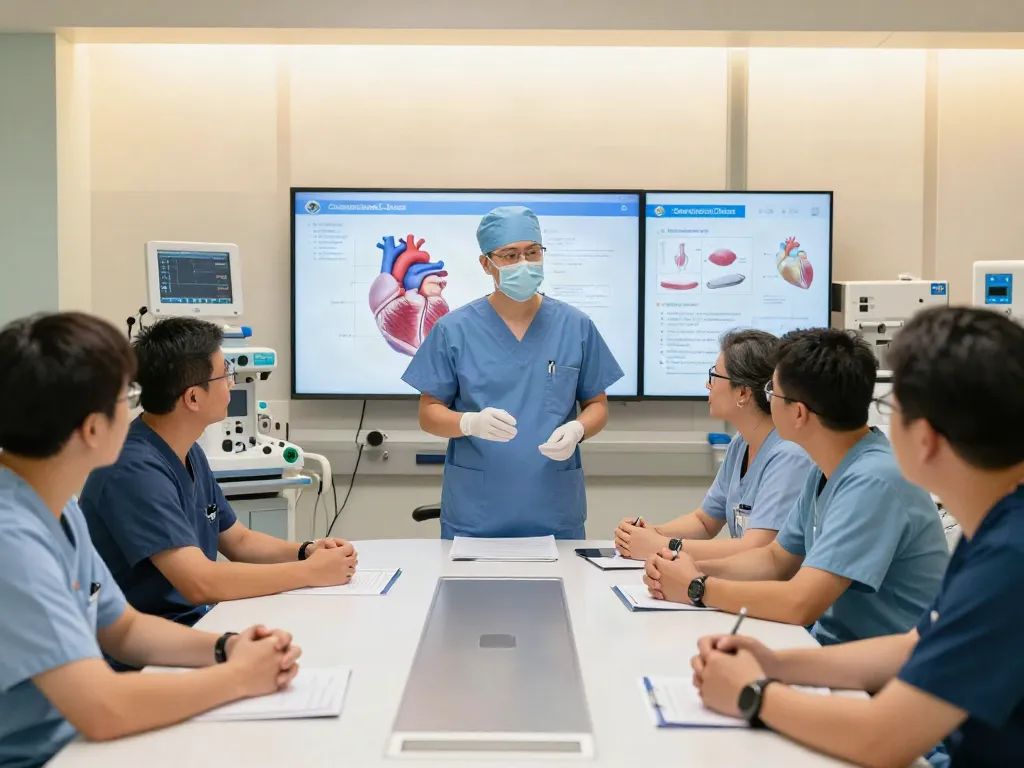
Heart transplantation involves replacing a failing heart with a healthy one from a deceased donor. This life-saving procedure is often necessary when other treatments fail, offering patients a chance at a renewed life. The surgery requires a multidisciplinary approach, involving cardiac surgeons, cardiologists, anesthesiologists, and specialized nursing staff to ensure optimal outcomes.
Who is Eligible for the Program?
Eligibility for heart transplantation is determined based on several factors including:
- Severity of heart failure
- Overall health status
- Underlying medical conditions
- Age and lifestyle considerations
Patients undergo thorough assessments to evaluate their condition and determine if they are suitable candidates for transplantation. Factors such as a patient's psychosocial status and support systems also play a crucial role.
How the Program Works
The heart transplantation program at Cleveland Clinic Abu Dhabi is structured to provide a streamlined process for patients. It involves:
- Initial assessment and consultation with a multidisciplinary team.
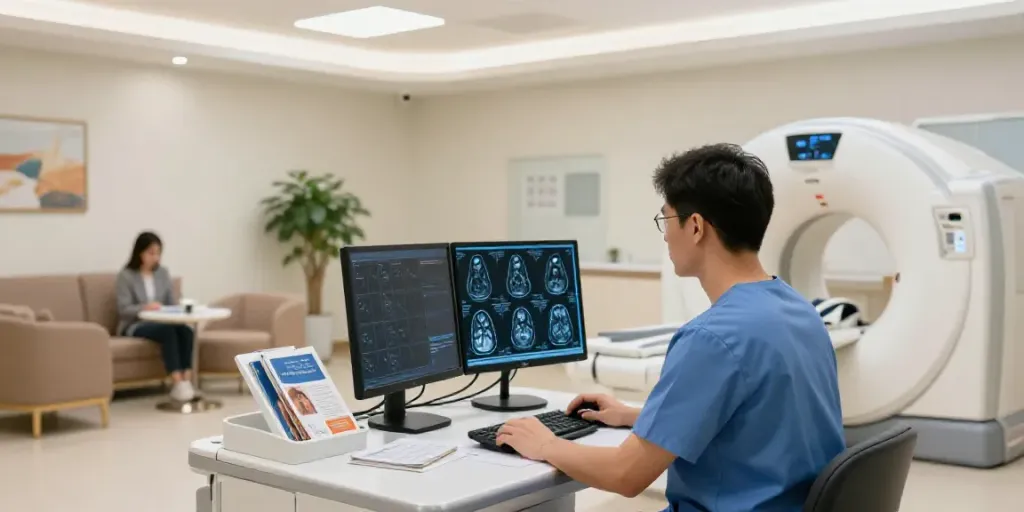
- Comprehensive diagnostic tests to evaluate heart function and overall health.
- Approval for placement on the transplant waiting list if deemed eligible.
- Continuous monitoring and medical management before and after the transplant.
Patients who are placed on the waiting list are matched with donors based on medical urgency and compatibility, ensuring timely and efficient care.
Diagnosis and Treatment of Heart Failure
Heart failure can result from various underlying conditions, including coronary artery disease, hypertension, and cardiomyopathy. Early diagnosis and intervention are critical for improving patient outcomes.
Common Causes of Heart Failure
Heart failure often stems from chronic conditions that damage the heart muscle. Common causes include:
- Coronary artery disease
- High blood pressure
- Diabetes
- Heart valve diseases
Identifying these causes is vital for developing effective treatment plans aimed at preventing progression to heart failure.
Diagnostic Procedures in the Program
Diagnostic procedures used in the Cleveland Clinic's Heart Failure Program may include:
- Electrocardiograms (ECGs)
- Echocardiograms
- Cardiac MRIs
- Stress tests
These tests help in assessing heart function, identifying potential issues, and guiding treatment options.
Treatment Options Available
Treatment for heart failure varies based on the severity of the condition. Options may include:
- Medications such as ACE inhibitors, beta-blockers, and diuretics.
- Life changes, encompassing dietary adjustments and exercise programs.
- Advanced interventions like implantable devices (e.g., pacemakers, defibrillators).
- Heart transplantation for patients with severe, refractory heart failure.
The goal of the treatment is to improve quality of life and extend longevity, often necessitating a personalized approach to care.
Patient Stories: Real Experiences
Understanding the impact of heart transplantation can be illustrated through the stories of patients who have undergone these transformative procedures.
Success Stories: Transplant Journeys
Many patients have inspiring journeys that showcase the effectiveness of the heart transplantation program. For instance, Moussa Abd ElRaihim Elgohary, who became the first person globally to receive a novel surgical technique successfully, emphasizes the importance of advanced medical care in saving lives.
Innovative Techniques in Surgery
Innovative techniques, such as the 'modified branch-first' surgical method, have revolutionized heart surgery by minimizing risks and improving patient outcomes. This technique allows for uninterrupted blood flow during surgeries, significantly increasing safety and recovery rates.
Challenges Faced by Heart Patients
While heart transplantation offers hope, patients often face numerous challenges post-surgery, including medication adherence, regular follow-ups, and lifestyle modifications. Addressing these challenges head-on can greatly improve recovery and quality of life.
Insurance and Coverage for Heart Transplantation
Navigating insurance can be daunting for heart transplant patients. Understanding coverage options is crucial for alleviating financial burdens associated with post-transplant care.
Understanding Insurance Partners
The Cleveland Clinic Abu Dhabi partners with various insurance providers to facilitate access to necessary treatments. It is essential for patients to consult with their insurance plans to understand coverage specifics related to heart transplantation.
Financial Assistance for Patients
For patients in need, financial assistance programs may be available to help alleviate the costs of transplantation and other associated medical expenses. Consulting with a financial advisor at the clinic can provide clarity on available resources.
Cost of Heart Transplantation
The costs related to heart transplantation can vary widely based on the complexity of the case and the type of care needed. Patients should prepare for not only the initial surgery costs but also ongoing medications and follow-up appointments.
Future of Heart Transplantation Programs
The landscape of heart transplantation is rapidly evolving due to advancements in research and technology. These innovations promise to enhance the effectiveness of the procedures and improve patient outcomes significantly.
Emerging Trends in Transplantation
Emerging trends suggest a growing focus on personalized medicine, where treatment strategies are tailored to individual genetic profiles. This approach aims to optimize the chances of transplant success.
Technological Innovations in Cardiac Care
Technological advancements, such as remote monitoring devices and artificial intelligence in patient management, are transforming cardiac care, making monitoring easier and enhancing patient safety.
Expert Insights on Future Developments
Expert opinions highlight the importance of continued research and collaboration in improving transplant outcomes. Innovations in immunosuppressive therapy, for example, are pivotal in reducing rejection rates and improving long-term survival rates.
What is the average survival rate for someone who received a heart transplant?
While survival rates can vary based on numerous factors, studies indicate that the one-year survival rate for heart transplant patients is approximately 90%, with many living healthy lives for many years post-transplant.
What financial assistance programs are available for heart transplant patients?
Patients can explore various financial assistance programs offered by hospitals, non-profits, and government agencies aimed at alleviating the burden of healthcare costs post-transplant.
Can you live a full life after a heart transplant?
Yes, many patients report an excellent quality of life after a heart transplant, often returning to normal activities, pursuing hobbies, and enjoying a renewed sense of vitality.
What are the restrictions I need to follow after a heart transplant?
Post-transplant, patients may need to limit certain activities initially, adhere strictly to medication regimens, and attend regular follow-up visits to monitor heart function and medication effects.
What are the latest advancements in heart transplantation?
Recent advancements include improvements in donor organ preservation techniques, enhanced surgical methods, and breakthroughs in immunotherapy that could minimize rejection risks and enhance graft survival.