Understanding Giant Soft Foam Building Blocks
What Are Soft Foam Blocks?
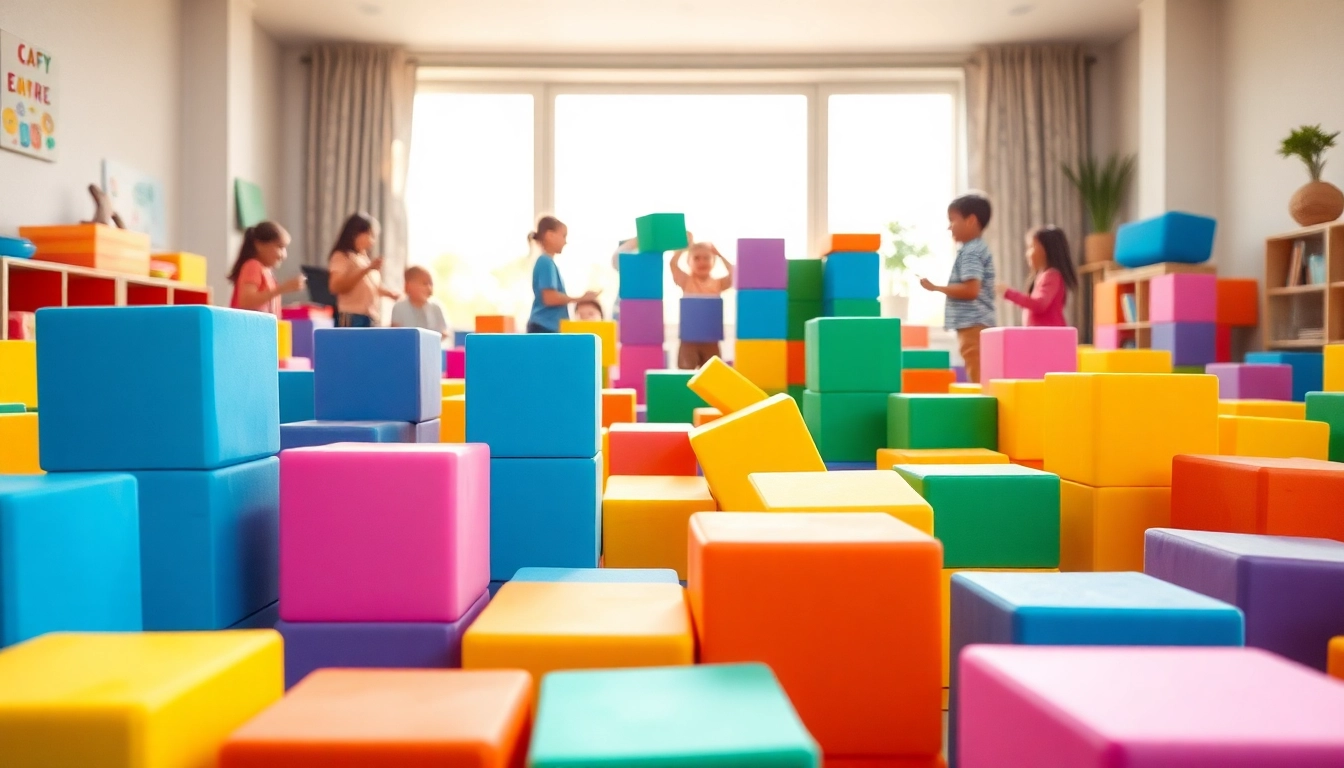
Soft foam blocks are large, lightweight, and versatile play materials designed for young children. Crafted from high-quality, non-toxic foam, these blocks come in various sizes, shapes, and colors, making them ideal for creating structures, sculptures, and imaginative worlds. Their soft texture ensures safe play, minimizing the risk of injury during construction and deconstruction activities. Children can stack, toss, and rearrange them, allowing for endless creativity and exploration. get the details on how these delightful toys can transform playtime and bolster cognitive development.
Benefits of Soft Foam Building Blocks
The benefits of soft foam building blocks are extensive, and they contribute significantly to a child's growth and development on multiple levels:
- Physical Development: Manipulating and balancing these blocks enhances fine and gross motor skills, promoting coordination and stability.
- Cognitive Skills: Building with blocks encourages problem-solving and critical thinking as children calculate balance, symmetry, and spatial awareness.
- Social Interaction: These blocks are perfect for collaborative play, offering opportunities for kids to communicate, cooperate, and negotiate during shared building projects.
- Creativity: With no set rules for what can be created, soft foam blocks inspire imagination and artistic expression in design and construction.
- Emotional Growth: Engaging with these foam blocks fosters self-confidence and a sense of achievement as children create their structures independently or with peers.
Choosing the Right Size and Shape
Not all foam blocks are created equal, and selecting the appropriate size and shape is crucial for maximizing play potential. Here are some factors to consider:
- Age Appropriateness: Younger children benefit from larger blocks, which are easier to handle and less likely to pose a choking hazard. As children grow, smaller and more diverse shapes can introduce more complex building challenges.
- Building Complexity: Consider the types of structures that children will want to create. A variety of shapes, such as squares, rectangles, and triangles, allows for diverse constructions, while larger blocks can support monumental structures.
- Storage and Space: Assess the available play area. Larger blocks can take up more space but may create visually exciting settings. Ensure that there’s adequate storage for when playtime is over, as excessive clutter can lead to safety hazards.
Creative Ideas for Indoor Play
Building Structures Together
Collaboration and teamwork are invaluable skills developed through group play. Involving kids in joint building projects can lead to more robust social skills and friendships. Set goals for various structures, like creating a bridge, a house, or a castle, encouraging children to divide tasks based on each other’s preferences and strengths.
Incorporating Themes in Playtime
Thematic play can elevate the experience of using foam blocks. For instance, transform playtime into an adventure by having a space theme where children can build a rocket, or a fairy tale theme, constructing castles and forts. Incorporating stories during play can stimulate imagination and make the activity more engaging.
Educational Games Using Foam Blocks
Foam blocks can be instrumental in creating educational games that promote learning through play. Here are a few ideas:
- Math Challenges: Use blocks to teach concepts of addition, subtraction, and geometric shapes by physically manipulating the materials.
- Language Skills: Create a word-building game where children construct words with letters or pictures drawn on the blocks.
- Science Concepts: Explore physics by discussing balance and gravity while constructing towers or bridges, encouraging hypotheses about structure stability.
Safety Considerations When Playing
Choosing Non-Toxic Materials
Ensure that the foam blocks are made from non-toxic materials, as children often explore their surroundings by tasting or mouthing objects. Safety certifications such as ASTM compliance can offer peace of mind about their safety. Always review product specifications before acquiring these toys.
Creating Safe Play Areas
The play environment significantly impacts children's safety and enjoyment. Ensure that the area is free from sharp edges and other hazards, and consider using soft carpeting or mats to cushion falls. Arrange the blocks in this space efficiently so children can reach them easily while maintaining a clear, safe pathway for movement.
Supervision and Playtime Guidelines
Always supervise young children during play with foam blocks to guide interactions and ensure safety. Establishing simple rules, such as not climbing on blocks or throwing them, can prevent accidents. Encourage children to express their ideas and coerce their peers in a manner that maintains a safe, respectful atmosphere during playtime.
Enhancing Engagement with Soft Foam Blocks
Combining with Other Toys
Enhancing playtime with additional toys can enrich the creative experience. Consider integrating plush toys, action figures, or vehicles into the foam block play, creating a more immersive environment. This combination can enhance storytelling and imagination, allowing children to build entire worlds around their creations.
Hosting Foam Block Competitions
Introduce friendly competition among children to foster excitement and teamwork. Organize challenges such as speed-building contests or themed construction showcases, providing categories like “tallest tower”. Celebrate achievements by recognizing the creativity and effort of all participants, enhancing motivation and engagement.
Encouraging Collaborative Play
Promote social skills by encouraging collaborative play among children. Provide group challenges that require communication and negotiation to complete projects. This helps nurture children’s ability to work together, understand diverse perspectives, and develop essential teamwork skills.
Frequently Asked Questions
How do I clean soft foam building blocks?
Clean them with a mild soap solution and wipe down with a damp cloth. Ensure they dry completely after cleaning to prevent mold growth.
What age group are these blocks suitable for?
They are typically recommended for children ages 1 and up, but always check manufacturer guidelines for specific age recommendations.
Can soft foam blocks be used outdoors?
Some soft foam blocks can be used outdoors; check if they are weather-resistant before use to ensure durability.
Are there any weight limits for stacking blocks?
While soft foam blocks can support substantial weight, children should exercise caution in stacking them high to prevent tipping over.
How can I store foam blocks efficiently?
Use storage bins or shelving to keep them organized and off the floor. This makes cleanup quick and easy!