Understanding Tours and Travel Trends for 2026
The world of tours and travel is constantly evolving, influenced by changes in consumer preferences, technology, and global challenges. As we look toward 2026, understanding the current trends shaping the industry is crucial for travelers and tour operators alike. These trends not only inform how we choose our destinations but also how we experience travel itself. Whether you’re a seasoned explorer or planning your first trip, staying informed can enhance your travel experiences. When exploring options, tours and travel resources provide comprehensive insights into emerging destinations and preferences that will define the next few years.
Emerging Destinations for the Modern Traveler
As travel resumes post-pandemic, new and lesser-known destinations are gaining popularity. Travelers are increasingly seeking unique experiences away from traditional tourist spots. Cities like Tbilisi in Georgia, Medellín in Colombia, and the lesser-known islands of Dalmatia are capturing the interest of adventurous souls. These emerging destinations often offer rich cultural experiences, stunning natural beauty, and affordability compared to more popular locations. Additionally, the rise of social media continues to spotlight hidden gems, pushing travelers toward off-the-beaten-path locales.
Shifts in Travel Preferences: Sustainable Travel
The call for sustainability has never been louder, as travelers are more conscientious about their environmental impact. Sustainable travel isn't just a trend; it's becoming a fundamental principle guiding trip planning. This encompasses everything from choosing eco-friendly accommodations and local tour operators to minimizing carbon footprints through responsible transportation options. For instance, many people are opting for local experiences, such as guided bike tours and community-based tourism, which not only reduce emissions but also benefit local economies.
The Rise of Experience-Based Travel Packages
Experience-driven travel packages are on the rise, focusing on immersive experiences rather than just sightseeing. Tour operators are adapting to this shift by offering packages that include activities like cooking classes, cultural immersions, and adventure sports. This trend underscores the evolving expectations of travelers who prioritize memorable experiences over traditional tourist activities. Besides, technology-driven solutions like virtual reality previews of experiences help consumers make informed choices.
Challenges in the Tours and Travel Industry
While the tourism industry is rebounding, several challenges remain that affect both travelers and operators. Understanding these challenges is vital for planning a successful trip or running a travel business in today's climate.
Post-Pandemic Travel Logistics
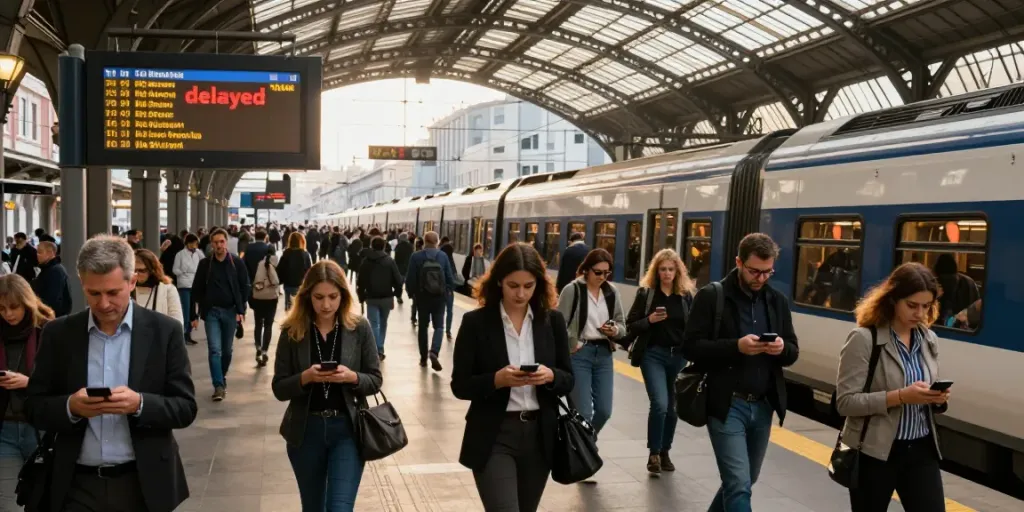
The pandemic has left a lasting impact on travel logistics, which continue to fluctuate as new regulations and health checks are implemented. Whether considering flight availability, accommodation adjustments, or local regulations, travelers must navigate a complex landscape of evolving rules. This uncertainty can often lead to last-minute changes in travel plans, making it imperative for travelers to remain flexible and informed.
Addressing Safety and Health Concerns
Travelers’ safety remains a top concern, with ongoing health guidelines affecting travel behavior. The pandemic has heightened awareness around health hygiene in tourism, prompting operators to implement stricter sanitation measures. Tourists are now more likely to inquire about safety protocols before booking tours, and companies offering transparent communication about their health practices can build trust and encourage bookings.
Navigating Travel Restrictions and Regulations
As countries continue to adjust their entry requirements based on vaccination rates and emerging health data, navigating travel restrictions can be daunting. Keeping abreast of regulations is essential for preventing unexpected disruptions. It is advisable for travelers to consult reliable sources and consider working with travel agents who can provide up-to-date information and assist in planning trips that comply with local laws.
Best Practices for Choosing Tour Packages
Choosing the right tour package can significantly enhance your travel experience. With a multitude of options available, knowing what to look for can help travelers make informed decisions.
Evaluating Tour Operators and Packages
When selecting a tour operator, it is crucial to conduct thorough research. Look for operators with positive reviews and established reputations. Investigate their experience, customer service quality, and the authenticity of their offerings. It’s often helpful to request a sample itinerary to ensure the tour aligns with your expectations and interests.
Reading Reviews and Testimonials
Online reviews can provide valuable insights into past customers' experiences. Websites like TripAdvisor or dedicated travel forums allow travelers to share feedback, which can highlight potential issues or affirm the quality of services. Focus on reviews that mention specific elements important to you, such as guide knowledge, itinerary flexibility, and overall satisfaction.
Understanding Inclusions and Exclusions
Before booking, review the package details carefully. Ensure you understand what is included, such as accommodations, meals, entrance fees, and transportation. Some companies may present a lower price but exclude essential services, leading to unexpected costs during your trip. Clarity is key to avoiding misunderstandings and ensuring a smooth travel experience.
Maximizing Your Tours and Travel Experience
To truly enjoy the fruits of your travel plans, active engagement and thoughtful planning are essential components that can greatly enhance your experiences.
Engaging with Local Cultures and Communities
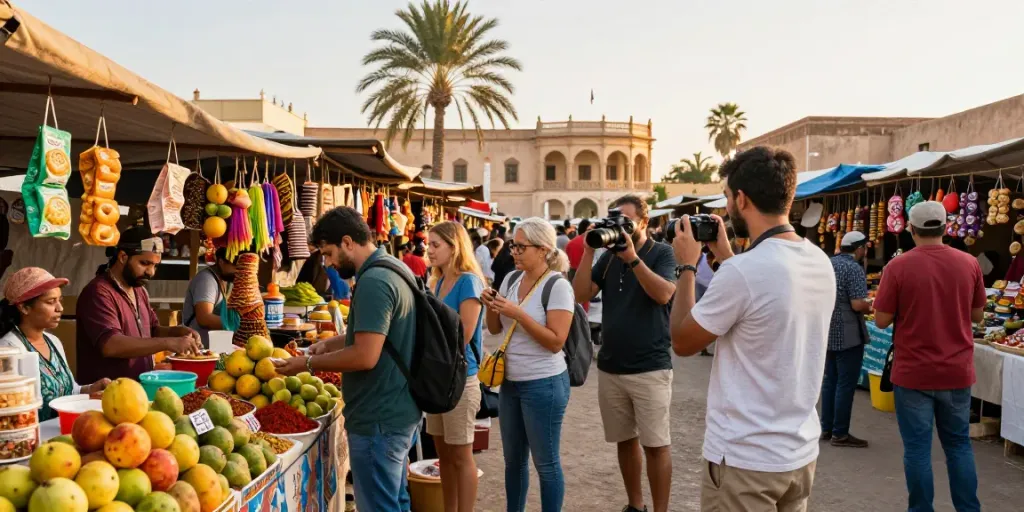
When visiting new places, immersing yourself in local cultures enriches your travel experience. Consider participating in community-based tourism initiatives or cultural exchanges that allow for deeper interaction with locals. Such experiences can provide you with unique insights and foster a sense of respect and understanding for the destination.
Leveraging Technology for Enhanced Travel
Travel technology has transformed how we plan and experience trips. From travel apps that curate personalized itineraries to AI-driven recommendations based on previous travels, leveraging technology can enhance efficiency and enjoyment. Moreover, using translation apps can facilitate interactions in foreign languages, enhancing your overall experience.
Creating Personalized Itineraries
Rather than settling for standard packages, customizing your itinerary to reflect your interests can lead to a more fulfilling experience. Consider your hobbies, whether they are food, adventure, art, or history, and seek out tours that cater to these interests. Personalization can turn a boring trip into a memorable adventure that resonates with who you are.
Future Outlook for Tours and Travel
The future of the tours and travel industry looks vibrant, shaped by innovation and changing consumer habits. Keeping an eye on these trends can help stakeholders in the travel industry and travelers alike prepare for what lies ahead.
Predictions for How Travel Will Evolve
Experts predict that travel will increasingly become a blend of technology and personalized service. The use of AI in travel planning and customer support, along with trends like solo travel and multi-generational trips, will shape the industry. Additionally, the demand for authentic experiences will drive operators to innovate continually.
Innovative Technologies Shaping Travel Experiences
As we move forward, technologies like virtual reality and augmented reality will continue to influence how we engage with travel. Virtual tours can help travelers preview destinations, while AR can enhance real-time experiences at historical sites. This merging of technology with travel enhances accessibility and opens new pathways for exploration.
Expert Insights into Travel's Future Landscape
Industry experts emphasize the importance of adaptability in the face of ongoing changes. Travel businesses must remain agile, responding to consumer needs and market changes. Sustainability, technology, and authentic engagement will remain key themes as travelers seek meaningful connections and experiences.