Understanding Brain Tumors and Their Types
Brain tumors are abnormal growths of cells in the brain that can be benign (non-cancerous) or malignant (cancerous). These tumors can originate from the brain cells themselves or spread from other parts of the body (metastatic tumors). There are various types of brain tumors, each presenting unique challenges and treatment approaches. Understanding these differences is critical for effective management and treatment. When exploring options, beyin tümörü ameliyatı provides comprehensive insights into the surgical options available.
What is a Brain Tumor?
A brain tumor is a collection of abnormal cells in the brain. They can form in different parts of the brain and can be classified based on their origin - primary tumors, which start in the brain, and secondary tumors, which spread from other parts of the body. Symptoms vary widely depending on the tumor's location, size, and growth rate.
Common Types of Brain Tumors
- Meningioma: Typically benign, these tumors arise from the meninges, the protective layers covering the brain. They are often slow-growing and may not cause symptoms for years.
- Glioma: This group includes various tumors arising from glial cells. Glioblastoma multiforme (GBM) is the most aggressive type.
- Pituitary Tumors: These tumors occur in the pituitary gland and can affect hormonal balance.
- Metastatic Tumors: These tumors result from cancer spreading from other areas of the body, such as the lungs or breast.
Symptoms and Diagnosis of Brain Tumors
Symptoms can range from headaches and seizures to cognitive or motor function impairment. Accurate diagnosis typically involves imaging techniques such as MRI or CT scans, and sometimes biopsy, to determine the tumor type and plan appropriate treatment.
Preparing for Brain Tumor Surgery
Preparation for brain tumor surgery includes thorough assessment and planning. It's essential to evaluate the patient's overall health, the tumor's location, and its relationship to critical brain structures to ensure the surgical plan minimizes risks.
The Surgical Process Explained
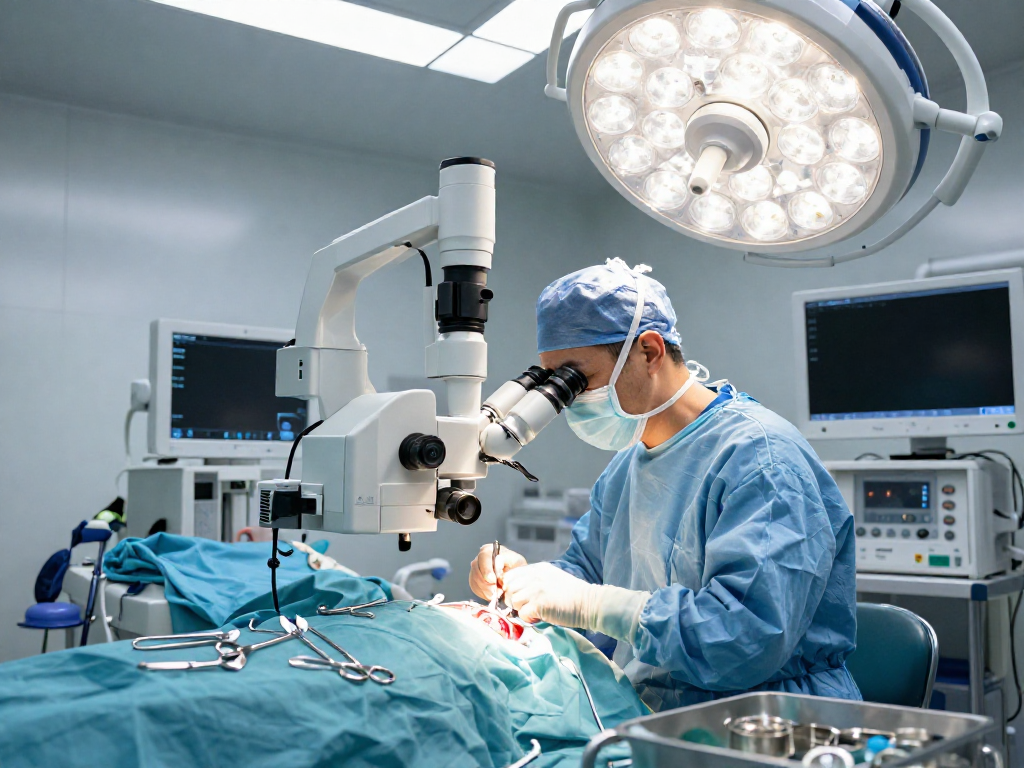
The surgical process for brain tumor removal varies based on the tumor type and location. Generally, it involves craniotomy, which is the surgical opening of the skull to access the brain. Advanced techniques, such as intraoperative MRI and neuronavigation, help improve the accuracy of tumor removal.
Pre-operative Assessments and Tests
Before surgery, patients undergo various assessments, including blood tests, imaging studies, and sometimes neurological evaluations. These tests help gauge health status and any potential risks associated with the procedure.
Patient Preparation and Expectations
Patients should be informed about the surgery process, potential risks, and recovery processes. Pre-operative discussions should include expectations for post-operative care, pain management, and rehabilitation needs.
During the Brain Tumor Surgery
During the surgery, the primary goal is to remove the tumor while preserving as much healthy brain tissue as possible. The choice of surgical technique and approach can significantly influence the outcome.
Techniques Used in Neurosurgery
Neurosurgeons employ various techniques, including minimally invasive methods and traditional open surgery. Modern technologies like neuronavigation, which uses pre-operative imaging to guide the surgeon in real-time, have enhanced surgical precision.
Role of Advanced Imaging Technologies
Advanced imaging technologies, such as functional MRI and diffusion tensor imaging, allow for better visualization of the tumor and its relationship to surrounding brain structures. This information is crucial for planning the surgical approach.
Awake Brain Tumor Surgery Explained
Awake brain surgery is a specialized technique where patients are awake during parts of the surgery. This method is particularly useful for tumors located in areas of the brain responsible for speech and movement, helping surgeons monitor function and minimize damage.
Post-Operative Care and Recovery
Post-operative care is critical for recovery. Patients are monitored closely in the recovery room to manage pain and complications effectively.
Immediate Post-Surgery Monitoring
After surgery, patients are typically observed in a post-anesthesia care unit (PACU) for immediate monitoring. Neurological assessments are performed frequently to ensure that any potential complications are quickly addressed.
Potential Risks and Complications
Every surgery carries risks. Possible complications from brain tumor surgery include infection, bleeding, and neurological deficits, such as speech or mobility issues. Understanding these risks helps patients prepare mentally and physically for recovery.
Long-Term Follow-Up and Rehabilitation
Long-term follow-up is crucial, as brain tumors can recur. Rehabilitation may include physical therapy, occupational therapy, and speech therapy to help regain function lost due to the tumor or surgery.
Cost and Accessibility of Brain Tumor Surgery
The cost of brain tumor surgery can vary significantly based on the complexity of the procedure, hospital location, and whether the patient has insurance coverage. Understanding potential costs is important for planning.
Understanding Surgical Costs in 2026
As healthcare costs rise, it is essential to understand that surgical costs can encompass hospital fees, anesthesia, and surgeon fees. Discussing costs with the healthcare provider before surgery can help manage financial expectations.
Insurance Coverage and Financial Assistance
Many insurance plans cover brain tumor surgery, but patients should verify their policy specifics. Financial assistance programs may also be available for patients facing high out-of-pocket expenses.
Choosing the Right Healthcare Facility
Selecting a healthcare facility with experience in treating brain tumors is vital. Facilities that specialize in neurosurgery often provide better outcomes and more comprehensive care.
What Are the Signs of Complications?
Patients should be vigilant for signs of complications, such as increased headache, fever, or neurological changes. Early detection and treatment of complications can greatly affect recovery outcomes.
How Can I Prepare for the Surgery?
Preparation for surgery can involve various steps, including following pre-operative instructions, arranging for post-surgery support, and understanding the recovery process.
What is the Recovery Timeline After Surgery?
Recovery timelines can vary depending on the individual and the extent of the surgery. Most patients may start to feel better within a few weeks, but full recovery can take months.
Are There Alternative Treatments?
Alternative treatments for brain tumors may include radiation therapy and chemotherapy, particularly for patients who may not be candidates for surgery or those looking for adjunct treatments.
What are the Long-term Prognosis Factors?
The prognosis for brain tumor patients depends on several factors, including tumor type, size, location, and the patient's overall health. Continuous follow-up care and monitoring are crucial for managing long-term health.
How Can I Manage Post-Surgery Symptoms?
Managing post-surgery symptoms effectively may include medication for pain relief, physical therapy for mobility, and mental health support to help patients cope with emotional changes after surgery.. Additionally, beyin tümörü ameliyatı provides further details.