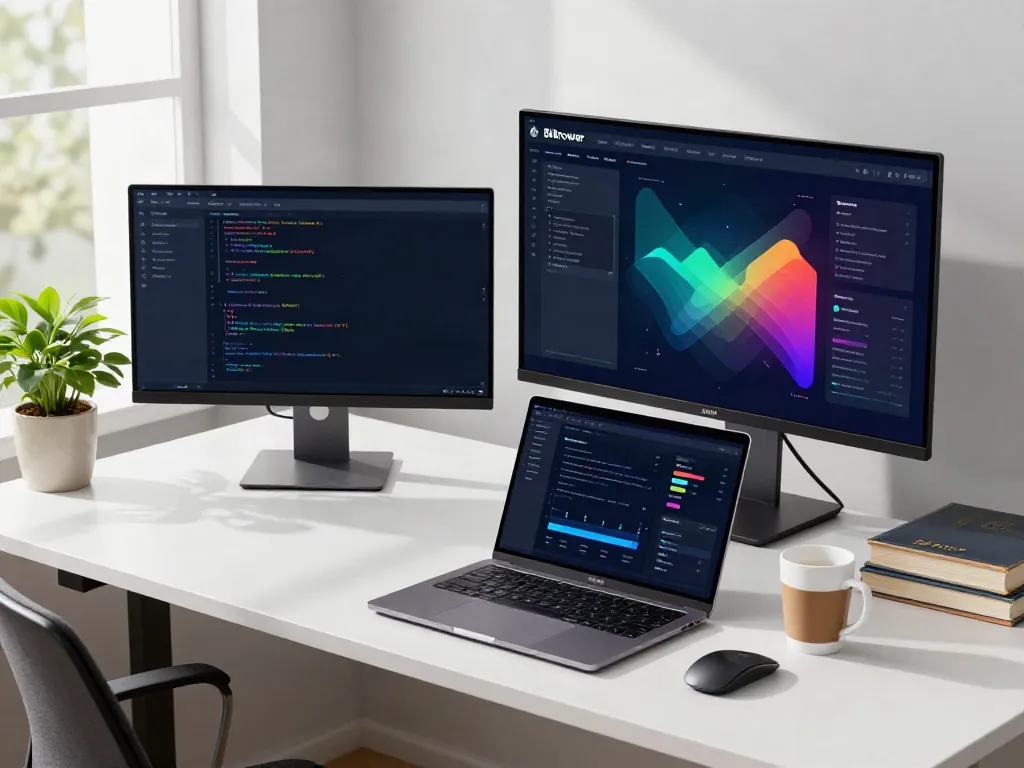
Understanding the Need to Build Internal Tools with AI
In the rapidly evolving landscape of business, organizations are increasingly recognizing the importance of efficiency and streamlined processes. Internal tools serve as the backbone of operational excellence, enabling teams to collaborate, track progress, and ultimately drive results. The advent of artificial intelligence (AI) is revolutionizing how these tools are created, allowing even non-technical team members to build internal tools with AI. This shift not only enhances productivity but also fosters innovation by reducing the traditional barriers to tool development.
Why Internal Tools Are Crucial in Today's Business
Internal tools are essential for several reasons:
- Efficiency: They automate repetitive tasks, reducing the time spent on manual processes.
- Collaboration: Tools designed for specific teams facilitate better communication and collaboration.
- Data Management: Internal systems help in managing data flow, tracking projects, and providing insights that drive decisions.
- Customization: Unlike commercial software, internal tools can be tailored to meet specific organizational needs.
The Challenges of Traditional Tool Development
Despite their importance, traditional internal tool development presents multiple challenges:
- Time-Consuming: Building custom tools typically requires extensive development time, which can delay implementation.
- Technical Expertise Required: Many organizations lack the technical skill sets to create and maintain these tools.
- Costs: Traditional development can be costly, especially for small businesses.
- Rigidity: Many tools are inflexible and cannot adapt quickly to changing business needs.
How AI Is Revolutionizing Tool Creation
AI is addressing these challenges by providing innovative solutions that streamline the tool-building process. Here are some key transformations:
- Low-Code Development: Platforms designed for building tools often offer low-code or no-code environments, allowing non-technical users to create applications with ease.
- Automated Processes: AI can automate mundane tasks, reducing the need for manual input and speeding up processes.
- Data Insights: AI-driven tools can analyze large datasets to provide actionable insights, helping businesses make informed decisions faster.
- Scalability: AI-powered tools can easily scale with the organization, adapting to growing demands without significant rework.
Key Components of Effective Internal Tools
Identifying Business Needs and Process Gaps
Before embarking on building internal tools, it is crucial to identify the specific needs and process gaps within the organization. This can be achieved through:
- Stakeholder Interviews: Gathering insights from team members across various departments helps in understanding the unique challenges they face.
- Process Mapping: Visualizing current workflows can highlight inefficiencies and areas for improvement.
- Feedback Collection: Regular feedback from users ensures that the tools align with their needs and can evolve accordingly.
Essential Features for User-Friendly Internal Tools
To create effective internal tools, certain features should be prioritized:
- Intuitive Interfaces: User-friendly designs reduce the learning curve and encourage usage.
- Integration Capabilities: Tools should seamlessly integrate with existing systems to facilitate data sharing and collaboration.
- Mobile Accessibility: With remote work becoming the norm, mobile-friendly tools ensure that teams can access necessary information anytime, anywhere.
- Customizability: Users should be able to tailor tools to meet their specific needs, enhancing their effectiveness.
Integrating AI Functionality for Efficiency
Integrating AI into internal tools can significantly enhance their efficiency. Some strategies include:
- Natural Language Processing: AI can enable users to interact with tools using common language, simplifying data queries and commands.
- Predictive Analytics: Tools that use AI to forecast outcomes can help teams make proactive decisions based on data trends.
- Automation of Routine Tasks: AI can take over repetitive tasks, freeing up human resources for more strategic initiatives.
- Personalization: Leveraging AI to understand user behavior allows for customized experiences, further enhancing tool adoption.
Step-by-Step Guide to Building Internal Tools with AI
Setting Up Your Development Environment
Establishing a productive development environment is the first step in creating internal tools. This includes:
- Choosing the Right Platforms: Selecting user-friendly platforms that align with your organization's technical landscape is crucial.
- Resource Allocation: Designating team members who will spearhead the development ensures accountability and focus.
- Documentation: Maintaining thorough documentation throughout the development process will facilitate future updates and onboarding.
Selecting the Right AI Tools and Platforms
The choice of AI tools and platforms can make or break your project. Consider the following:
- Ease of Use: Prioritize tools that provide intuitive interfaces, allowing non-technical users to contribute effectively.
- Community Support: Platforms with robust community forums can provide help and insights for troubleshooting and best practices.
- Integration Potential: Ensure that the platforms can easily integrate with your existing tech stack for smoother operations.
- Cost-Effectiveness: Evaluate the total cost of ownership, including subscriptions, maintenance, and potential scaling costs.
Implementing Governance and Best Practices
Establishing a governance framework is essential for maintaining the integrity of your internal tools. Consider these best practices:
- Role Assignments: Clearly define roles and responsibilities within your tool management team.
- Data Security: Ensure that data management protocols meet compliance standards to protect sensitive information.
- Regular Audits: Conduct periodic reviews and audits of tools to identify performance gaps and areas for improvement.
- User Training: Invest in training programs to ensure all users are comfortable and competent in using the tools effectively.
Measuring Success: Metrics and Feedback Loops
Key Performance Indicators for Internal Tools
To gauge the effectiveness of your internal tools, it's imperative to establish clear metrics. Some important key performance indicators (KPIs) include:
- Usage Rates: Monitoring how frequently tools are utilized can help assess their value to the organization.
- Response Times: Measuring how quickly teams can complete tasks using the tools provides insights into efficiency gains.
- User Satisfaction: Regular surveys can help gauge user satisfaction and identify areas for enhancement.
- Error Rates: Tracking errors or issues reported can indicate the need for further training or tool adjustments.
How to Gather User Feedback Effectively
User feedback is critical for the continuous improvement of internal tools. Here are some effective strategies:
- Surveys and Polls: Regularly soliciting feedback through structured surveys can provide quantifiable data to inform improvements.
- One-on-One Sessions: Conducting interviews with key users can yield in-depth insights into their experiences and suggestions.
- Feedback Forms: Embedding feedback forms within the tools allows for real-time suggestions and comments.
- Usage Analytics: Utilizing analytics tools to monitor user behavior can highlight pain points without direct feedback.
Iterating Based on Data-Driven Insights
Once feedback is collected, it’s vital to iteratively improve internal tools based on this data. Implementing changes can involve:
- Prioritization: Use feedback to prioritize which changes will have the most significant impact on user experience.
- Agile Methodologies: Adopting agile practices allows for quick iterations and adaptations based on user needs and changing circumstances.
- Continual Learning: Encourage a culture of feedback and learning, where users feel comfortable sharing their experiences to drive improvement.
- Testing Changes: Before full-scale implementation, test changes in pilot phases to gauge their effectiveness before a broader rollout.
Future Trends in AI-Driven Internal Tools
What to Expect in the Next Five Years
The landscape of AI-driven internal tools continues to evolve, with several trends emerging:
- Enhanced Personalization: Tools will leverage AI to create even more personalized user experiences based on individual user behaviors and preferences.
- Increased Automation: Expect to see more sophisticated automation capabilities that can take over increasingly complex tasks.
- Real-Time Data Integration: Tools will likely provide real-time data insights, enabling quicker decision-making processes.
- Greater Focus on Security: As data privacy concerns grow, tools will incorporate advanced security features to protect sensitive information.
Emerging Technologies Shaping Internal Tool Development
Several emerging technologies will have a lasting impact on internal tool development:
- Machine Learning: As machine learning continues to advance, internal tools will become smarter, providing increasingly accurate insights and predictions.
- Blockchain: This technology can enhance data security and integrity in internal tools, making them more transparent and trustworthy.
- Internet of Things (IoT): IoT will enable internal tools to gather data from connected devices, leading to more comprehensive insights.
- Augmented Reality (AR) and Virtual Reality (VR): These technologies could transform training and operational processes within internal tools, offering immersive experiences.
Preparing Your Team for Future Innovations
To stay ahead in the evolving tech landscape, organizations must prepare their teams for upcoming innovations by:
- Continuous Education: Encourage team members to engage in ongoing training and education on emerging technologies and trends.
- Encouraging Innovation: Foster a workplace culture that values creativity and encourages team members to experiment with new ideas.
- Agility: Promote agile methodologies that allow teams to adapt quickly to new technologies and processes.
- Collaboration: Enhance cross-functional collaboration to ensure that different perspectives contribute to tool development and usage.
What are the most common internal tools built with AI?
Common internal tools built with AI include CRM systems, project management software, and customer support chatbots. Each of these tools leverages AI to automate workflows, enhance user experience, and facilitate data management.
How can non-technical teams successfully implement these tools?
Non-technical teams can successfully implement these tools by utilizing no-code platforms, engaging in training sessions, and collaborating closely with technical experts to ensure they understand the capabilities and limitations of the tools being developed.
What metrics should be analyzed to measure the effectiveness of internal tools?
Key metrics include user satisfaction scores, usage rates, task completion times, and error rates. Analyzing these metrics provides a comprehensive view of tool performance and user engagement.
How does AI improve the efficiency of traditional processes?
AI improves the efficiency of traditional processes through automation, real-time analytics, and by providing personalized user experiences, which collectively reduce time and resource expenditures.
What are the risks involved in building internal tools with AI?
Risks include data security concerns, the potential for bias in AI algorithms, and the need for ongoing maintenance and updates to ensure tools remain effective and secure.