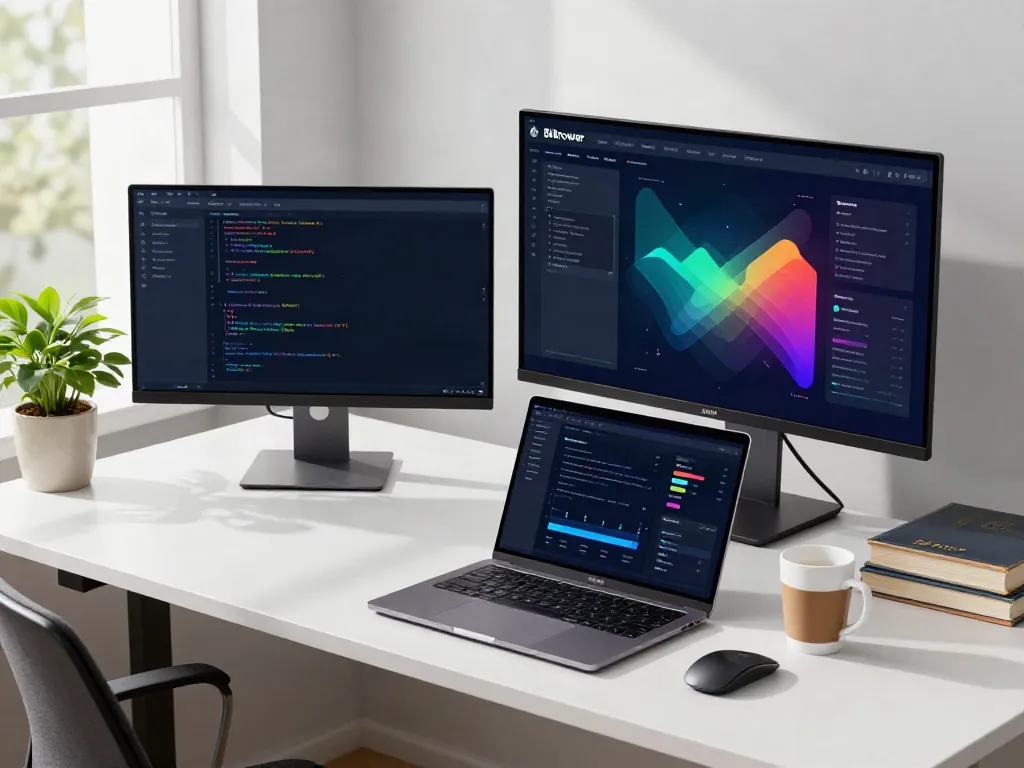
Understanding AI 18+ and Its Impact on Digital Spaces
As we navigate the rapidly evolving landscape of technology, the term AI 18+ emerges as a critical focal point in discussions around artificial intelligence applications tailored for young professionals and individuals aged 18 and above. This segment of users is increasingly integral to the workforce, utilizing AI technologies to enhance productivity, creativity, and engagement across various sectors. For comprehensive insights into the implementation and benefits of these technologies, ai 18+ platforms provide a wealth of resources and guidance.
What is AI 18+?
AI 18+ refers to the suite of artificial intelligence technologies and tools that are specifically designed for individuals aged 18 and older. These solutions focus on enhancing productivity, learning, and engagement in professional settings. As the workforce becomes more integrated with AI, understanding the nuances of these technologies is essential for young professionals looking to leverage AI for personal and career growth.
Key Technologies Driving AI 18+
Several key technologies act as the backbone of AI 18+. These include:
- Machine Learning: Algorithms that enable systems to learn and improve from experience without being explicitly programmed.
- Natural Language Processing (NLP): Technologies that allow computers to understand, interpret, and respond to human language.
- Robotics Process Automation (RPA): Tools that automate routine tasks, increasing efficiency and reducing the need for manual intervention.
- Data Analytics: The use of AI to analyze vast amounts of data, providing insights that can drive decision-making and strategy.
Benefits of AI Integration for Young Professionals
Integrating AI tools in the workplace offers numerous benefits, such as:
- Increased Efficiency: AI streamlines workflows, allowing professionals to focus on higher-level tasks.
- Enhanced Learning Opportunities: AI-driven educational tools can personalize learning experiences, catering to individual needs.
- Improved Decision-Making: With access to analytic tools, young professionals can make more informed choices based on data-driven insights.
- Collaboration and Engagement: AI facilitates better communication and teamwork through smart tools that integrate with existing platforms.
Common Misconceptions About AI 18+
Debunking Myths Surrounding AI Technologies
Despite the growing presence of AI in the workplace, several misconceptions persist. Many believe that AI technologies are too complex or only suitable for tech-savvy individuals. In reality, AI tools are increasingly user-friendly and designed with accessibility in mind, making them suitable for a broader audience.
Challenges Faced by New Users
New users often encounter various challenges, including:
- Learning Curve: Adapting to new technologies can be daunting without proper training and resources.
- Fear of Job Replacement: Many fear that AI will replace their roles rather than augment their skills.
- Integration Issues: Businesses may struggle with integrating new AI solutions into existing systems.
Overcoming Fears of AI Adoption
To counteract fears surrounding AI adoption, companies should emphasize transparency about how AI works and its benefits. Providing training sessions and resources can help ease the transition and foster a culture of innovation and learning.
Best Practices for Implementing AI 18+ in Workspaces
Choosing the Right AI Tools and Software
When selecting AI tools for workplace integration, consider the following:
- Usability: The ease of use for all team members should be a top priority.
- Scalability: Choose tools that can grow and adapt as your needs evolve.
- Support and Training: Ensure adequate support and training resources are available.
Creating a Supportive Environment for AI Utilization
A supportive environment encourages experimentation and learning. Leaders should promote an open dialogue about AI and its capabilities, allowing employees to express concerns and share experiences.
Training and Development for Effective Use
Ongoing training is essential for maximizing the benefits of AI. Organizations should implement regular workshops and training sessions focusing on emerging AI technologies, ensuring employees remain competitive and confident in their skills.
Real-World Applications of AI 18+
Case Studies of Successful AI Integration
Numerous organizations have successfully integrated AI technologies, enhancing their operations:
- Marketing: Companies are using AI for predictive analytics, allowing for more targeted marketing strategies.
- Healthcare: AI applications in diagnostics help medical professionals provide more accurate patient care.
- Finance: Automated trading algorithms make real-time decisions that optimize financial outcomes.
Industry-Specific Uses of AI Tools
AI technologies are applicable across various industries:
- Retail: AI helps in inventory management and personalized customer experiences through data analysis.
- Education: Tutoring applications utilize AI to adapt to students' learning styles and pace.
- Manufacturing: AI-driven robots streamline production processes, enhancing efficiency and safety.
Measuring Success: KPIs for AI Adoption
To gauge the effectiveness of AI integration, organizations should track specific Key Performance Indicators (KPIs), including:
- Operational efficiency gains
- Employee satisfaction and engagement levels
- Customer satisfaction improvements
- Cost savings and revenue growth
The Future of AI 18+ in Professional Settings
Emerging Trends in AI Technologies for 2026
As we look towards 2026, several trends are shaping the future of AI:
- Increased Personalization: AI will tailor services and experiences even more closely to individual user preferences.
- Ethical AI Practices: There will be a heightened focus on the ethical implications of AI, ensuring fairness and transparency.
- AI in Remote Work: AI tools will become essential for managing and aiding remote teams.
Predictions for AI's Role in Various Industries
AI is set to enhance various sectors dramatically:
- Finance: AI will continue to transform risk assessment and fraud detection.
- Healthcare: More advanced AI diagnostics will improve patient outcomes significantly.
- Transportation: Autonomous vehicles are expected to become more common, reshaping logistics and personal travel.
Preparing for the Future of Work with AI 18+
To prepare for the future, young professionals should focus on continuous learning and adaptability. Cultivating skills in data analysis, machine learning, and ethical considerations will be critical for success in an AI-driven world.
What industries can benefit most from AI 18+?
Industries such as technology, healthcare, finance, and education stand to gain significantly from AI 18+. These sectors can utilize AI for operational efficiencies, enhanced customer experiences, and data-driven decision-making.
How can young professionals leverage AI 18+ effectively?
Youth can effectively leverage AI by familiarizing themselves with the latest tools, participating in training sessions, and staying informed about industry trends. Networking with professionals in the field can also provide valuable insights and guidance.
What tools are essential for getting started with AI 18+?
Essential tools include AI-driven analytics platforms, project management software integrated with AI capabilities, and personalized learning applications. Familiarity with these tools will help young professionals position themselves competitively.
What are the ethical considerations of using AI technologies?
Ethical considerations in AI usage encompass fairness, privacy, and accountability. Professionals must prioritize these aspects to build trust and ensure responsible AI integration in their practices.
How does AI 18+ change user engagement dynamics?
AI 18+ transforms user engagement by enabling personalized interactions, automating responses, and providing valuable insights into customer preferences. This leads to more meaningful connections between users and businesses, fostering loyalty and satisfaction.