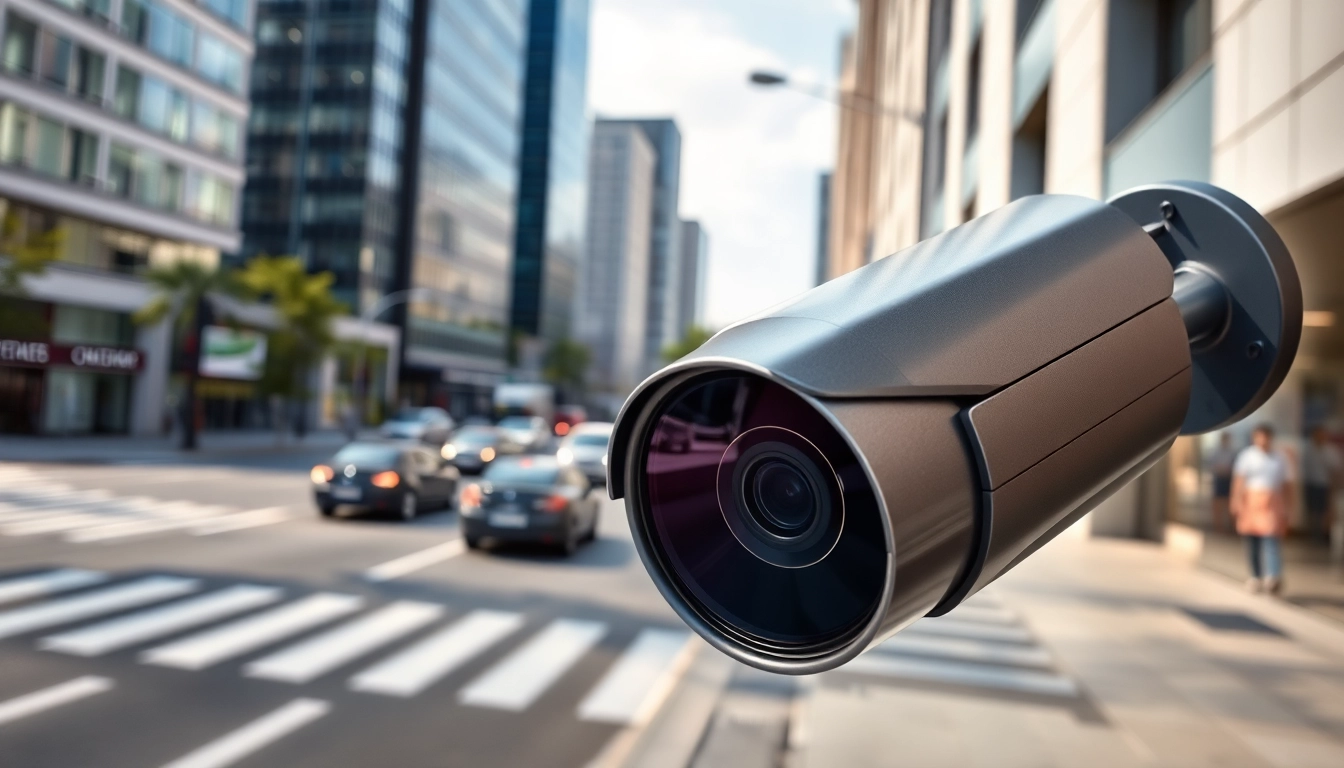
Understanding Computer Vision for CCTV
The advancement of technology has dramatically revamped the landscape of security monitoring systems. Among these innovations, computer vision for CCTV stands out as a pioneering integration of artificial intelligence (AI) and traditional closed-circuit television (CCTV). This blend not only enhances security systems but also transforms how visual data is interpreted and utilized, creating a more intelligent approach to surveillance.
What is Computer Vision?
Computer vision is a field of artificial intelligence that enables machines and systems to interpret and understand visual information from the world, replicating the capabilities of human vision. It involves the use of algorithms to process images and videos, extracting meaningful information to facilitate automated response and analysis. Computer vision technology is increasingly being employed across various sectors, transforming data into actionable insights.
The Role of Computer Vision in CCTV Systems
The integration of computer vision with CCTV systems revolutionizes how surveillance cameras function. Traditional CCTV systems primarily record video footage; however, computer vision empowers these systems to analyze images in real time. By leveraging AI technology, these systems can detect anomalies, recognize patterns, and even predict potential security threats. This paradigm shift is crucial in enhancing situational awareness and response capabilities for security personnel.
How Computer Vision Enhances Security Monitoring
Computer vision significantly enhances security monitoring through various mechanisms, including:
- Real-time Analysis: It allows for immediate detection and identification of objects, people, and potential threats.
- Event Prediction: By analyzing historical data, computer vision can predict scenarios that might lead to security breaches.
- Automated Reporting: The integration automates data collection and reporting processes, reducing manual effort and increasing efficiency.
Key Benefits of Computer Vision for CCTV
Real-time Threat Detection
One of the most significant advantages of employing computer vision in CCTV systems is real-time threat detection. By continuously analyzing live feeds, these systems can flag suspicious activities instantly, enabling rapid response by security personnel. The ability to differentiate between normal and anomalous events ensures that security teams can focus their attention where it is needed most, minimizing response times and potentially averting incidents before they escalate.
Facial Recognition Capabilities
Facial recognition technology, a prominent application of computer vision, allows CCTV systems to identify individuals by analyzing facial features against established databases. This capability has profound implications for security, making it possible to track persons of interest, prevent unauthorized access, and enhance overall safety in public and private spaces. Recent advancements in deep learning have significantly increased the accuracy and speed of facial recognition systems, effectively reducing false positives and ensuring reliable identification.
Automated Data Analysis
Traditional CCTV systems typically generate vast amounts of data, making it challenging to derive valuable insights. Computer vision streamlines this process by automatically analyzing video footage to extract pertinent information. For instance, data can be aggregated to track foot traffic patterns, monitor crowd behaviors, and identify high-risk areas. Such analytical capabilities empower organizations to make informed security decisions backed by data-driven insights.
Implementing Computer Vision for CCTV
Choosing the Right Camera
For effective implementation of computer vision in CCTV systems, selecting the appropriate camera is pivotal. Factors to consider include resolution, frame rate, and environmental adaptability. High-resolution cameras are essential for accurate recognition and analysis, while frame rates significantly affect the system's ability to capture motion seamlessly. Moreover, cameras must be suited for various environments, including low-light settings or outdoor applications.
Integration with Existing Systems
Integrating computer vision with existing CCTV infrastructures requires careful planning and execution. Organizations may need to assess their current systems' compatibility and determine whether upgrades or entirely new installations are necessary. A phased implementation strategy is often beneficial, allowing for trial runs and adjustments before full-scale adoption. Engaging with technical experts can facilitate a smoother transition and ensure that the system meets operational requirements.
User Training and Management
Training personnel to utilize computer vision systems effectively is critical for maximizing the technology's benefits. Education on the capabilities and functionalities of the system ensures that users can leverage the tools at their disposal promptly. Additionally, ongoing training and refresher courses can help address new features and updates, thereby keeping users well-informed and competent.
Challenges and Solutions in Computer Vision for CCTV
Addressing Privacy Concerns
With the implementation of computer vision, privacy concerns inevitably arise. It is crucial for organizations to establish clear policies governing data collection, usage, and storage. Engaging stakeholders and maintaining transparency can foster trust among the public. Additionally, anonymization techniques can minimize privacy violations while still allowing for effective surveillance.
Handling Data Security Issues
As with any technology that relies on data, security vulnerabilities pose significant risks. Organizations must implement robust cybersecurity measures to protect sensitive information captured by CCTV systems. Regular assessments, updates, and employing secure data encryption processes will minimize the likelihood of breaches and unauthorized access to critical data.
Overcoming Technical Limitations
Despite the advancements in computer vision technology, technical limitations such as bandwidth constraints and processing power must be addressed. Organizations may consider investing in edge computing solutions, where data processing occurs closer to the data source, reducing latency. Upgrading infrastructure to accommodate higher bandwidth and faster processing capabilities is also essential for a seamless and efficient system.
The Future of Computer Vision in CCTV Technology
Emerging Trends and Innovations
The future of computer vision in CCTV technology is poised for exciting developments. Innovations such as enhanced machine learning algorithms and improved image processing techniques will contribute to increasingly sophisticated surveillance capabilities. Trends indicate a shift towards integrated systems capable of multi-modal sensing, allowing for a comprehensive understanding of surroundings.
Impact of AI on CCTV
The augmentation of CCTV systems with AI-driven computer vision will continue to evolve, leading to refined functionalities including predictive analytics and autonomous response systems. Such systems will be able to not only detect threats but also assess situations and suggest the best course of action, further enhancing security measures in various settings.
Long-term Security Strategy Planning
Organizations must consider the long-term implications of integrating computer vision with CCTV systems. This planning involves assessing future needs, potential threats, and the scalability of technology. Adopting a proactive approach ensures that security strategies are adaptable and can evolve in tandem with technological advancements and changing security landscapes.
FAQs
Q1: What is computer vision for CCTV? A: It's the integration of AI technology with CCTV systems to analyze visual data, improving security monitoring.
Q2: How does computer vision enhance security? A: It provides advanced capabilities like real-time threat detection and facial recognition.
Q3: Can existing CCTV systems use computer vision? A: Yes, many computer vision technologies can integrate with pre-existing CCTV setups.
Q4: What challenges are faced with computer vision for CCTV? A: Common issues include privacy concerns, data security, and technical limitations.
Q5: What is the future outlook for computer vision in CCTV? A: Future innovations involve more AI-driven features and improved security strategies.